Village in the Shade Preview
Outwardly, the village appears like a typical cozy rural Japanese village, but harbours dark secrets, ominously hinted at by some of the rules that its denizens must follow, chief of which is no going out at night.
The current preponderance of farming sims can make it difficult to stand out. However, such a task should not be difficult for Nippon Ichi Software’s Village in the Shade. Already a strong success for the developer in Japan, the game should have plenty of takers when it appropriately arrives in late October. RPGamer was given an early look at its farming sim gameplay and how it blends it with supernatural horror.
Village in the Shade could be considered a thematic successor to the Yomawari series, sharing a similar visual style and perspective in addition to its overall supernatural horror elements. The game casts players as a customised protagonist in the village of Kagatsu. Outwardly, the village appears like a typical cozy rural Japanese village, but harbours dark secrets, ominously hinted at by the rules that its denizens must follow, number one of which is no going out at night. The section shown in the preview presentation came after the protagonist’s chicken was brutally killed during the night, only for them to wake up to find an egg and a mysterious note outside of their house, with other short events and scenes hinting at something nefarious going on.

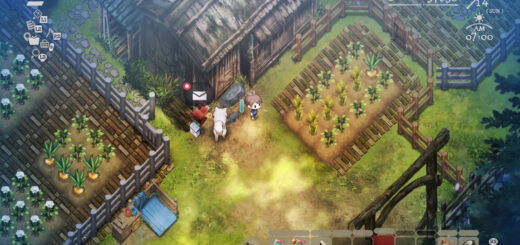
The game’s farming sim elements appear appropriately deep and inviting.
The game is more plot-focused than most farming sims and divided into daytime and nighttime sections. The daytime has all of the usual farming/life sim aspects with players able to tend to their farm, mine resources, build relationships, decorate their home, fish, and more. However, the game’s distinct elements come out at night, after the 11pm curfew, where players will discover the streets are haunted by ghosts and even greater threats. Nevertheless, going out at night will be necessary, not just for story reasons, but also to obtain items that can only be found during the night.
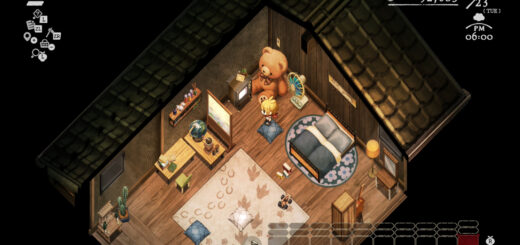
Its life sim sections appear to be sufficiently strong and deep, with great customisation of the expandable farming lands and house available, plenty of tools to utilise and upgrade, and a wider variety of crops to plant across different seasons. Each crop takes different amounts of time to grow, and growing enough of the same crop will see the produce raise in quality, allowing them to be sold for more. Players will gain rewards for completing numerous tasks and achievements around the village related to farming, resource gathering, or crafting, as well for completing specific requests and for presenting produce at the end of the month. Field design can be important for farming; for example, placing a stone path or boardwalk around crops can prevent encroachment from weeds.

There are definite hints at the darkness lying in the village’s shadows.
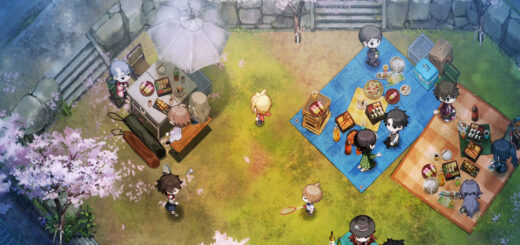
Players will also be able to create processed goods, such as copper, as well as use various ingredients and resources to craft furniture and other items that can be used personally or sold for money. As they venture into town, they will be able to witness scenes, interact with characters, or purchase items from merchants. Each character has their own star level, which rises as players interact with them or give them gifts, with new star level providing a new event scene that helps show their story and place in the town. Players can also make use of a helpful notebook function to remember items they might want in future but can’t afford yet, or need for a certain request.
Players have two meters for their character: health and stamina. Health is more important for the danger at night or when mining, while stamina is used across the life sim sections and can be readily restored by eating food. Mining sees players venture down various floors to gain access to new ores; each floor has the rope to the next one hidden under a mineable rock, and some dark floors may harbour a ghost within them. Every ten floors offers a new checkpoint, but players will likely use up a lot of stamina searching for the ropes down, so players will want to keep sufficient food on them to make expeditions worthwhile.
Players do not need to worry about the curfew if they don’t wish to break the number one rule accidentally, as the game will automatically bring players back to their home when 11pm hits. This does mean that going out is an active rule break on the part of the player, and they will need to be prepared for any consequences. The village’s transformation at night is certainly striking from the overall coziness of the day, with the preview event leading to a spooky sequence where the player has to escape a large ghost, seemingly led to safety by a ghostly chicken and an encounter with a mysterious tree.

You were warned.
What can happen to players at night depends on the situation, there will be some linear story events like that shown in the demo, while others will see the players exploring the town dealing with monsters, finding new resources, or completing small missions. If players do get knocked out while exploring, they will wake up in the day where they were caught with less health and stamina, though the more linear story events will let players retry them if they fail.
The game has a stylised visual style that looks great, with even its lo-fi character models exuding plenty of charm and distinctness. The painted environments are packed with great little details. The game’s use of light is highly effective, particularly when it gets into the spookiness of nighttime, giving players that sense of impending dread and active danger that a horror game requires.
Village in the Shade has all of the ingredients to be a big hit among both farming sim and horror fans, even more so for those in both categories. Its blend of charming cozy daytime and spooky nighttime appears to be immensely effective. RPGamers will be able to uncover the secrets of Kagatsu when the game releases for PC, PlayStation 5, Nintendo Switch, and Nintendo Switch 2 on October 27, 2026.





Recent Comments