Final Fantasy Resonance Review
A Final Fantasy for RPGamers
I’ve always been a fan of what Square Enix has done with HD-2D, and its games have only gotten better with each release. Final Fantasy Resonance is the first Final Fantasy to receive the HD-2D treatment, taking the familiar pixel-art foundation in a more cinematic direction with expressive 3D environments and dynamic camera work. Based on the first story arc of Final Fantasy Brave Exvius, the game follows Rain, Lasswell, and Fina as they set out on a journey involving the Crystals and a threat capable of destroying their world. At the same time, Resonance clearly draws inspiration from Final Fantasy V and Final Fantasy VI in how it approaches party building and character identity. After playing through Resonance, it is clear that HD-2D found its perfect home in Final Fantasy.
The story begins with Rain and Lasswell investigating strange disturbances surrounding the Earth Shrine, where they encounter Veritas of the Dark. Their attempt to stop him ends with the destruction of the Earth Crystal, forcing the two to set out with Fina in search of the remaining Crystals. The journey quickly expands from there, taking the trio across the world as they learn more about the forces threatening the Crystals and the people caught up in the conflict. The adventure is full of that classic Final Fantasy charm, complete with airships, summons, interesting characters, and plenty of new places to discover.
Those familiar with Final Fantasy Brave Exvius will already know the story, but Resonance makes several changes to how it is presented. Dialogue has been rewritten, and some events have been adjusted, giving the characters more room to develop throughout the journey. Rain benefits the most from these changes, with his relationship with his father, Raegen, and his growing sense of responsibility developing more naturally. The original story already had a strong foundation, but these additions make it even better here. The character-focused side stories are also a nice touch. Overall, the main story is well delivered, with strong dialogue and plenty of personality, although some of its more dramatic moments lean heavily into shonen territory. There are also a few deus ex machina moments that make certain developments feel a little too convenient, but the storytelling itself is still excellent.
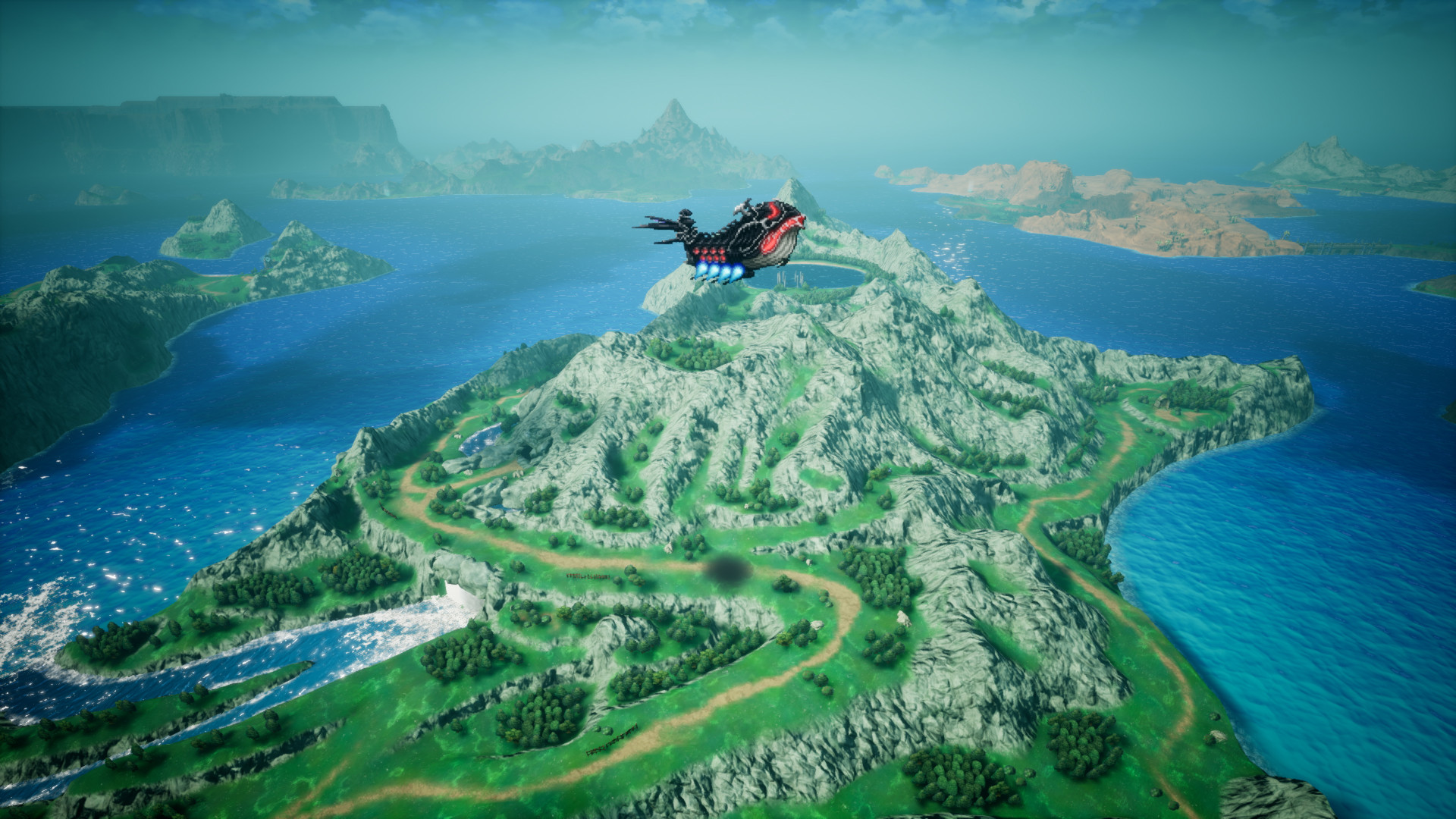
Airships are a Final Fantasy tradition.
Classic Final Fantasy characters are woven into the world through Visions, discoverable at Sanctums of Light scattered across the map. Finding one unlocks a short sequence that revisits part of that character’s original story, which is a fun callback for longtime fans. These scenes can potentially spoil major moments from the original games, but for anyone already familiar with those stories, they are a huge dose of nostalgia and a great way to celebrate the series’ history. These callbacks also strengthen Resonance’s connection to the wider Final Fantasy series, making the journey feel like a true celebration of the franchise.
Visions also play an important role in combat and party customization. Each one can be equipped to a character and provides a set of skills that generally match the character it represents. Cloud, for example, has powerful melee attacks, while Terra specializes in powerful spells. Mastering a Vision unlocks additional abilities and passive skills that can then be equipped alongside a different Vision, letting characters keep some of the strengths they have picked up from other heroes. Later in the game, players can also acquire Visions unique to Resonance through side quests. Combined with each character’s base stats and skills, this creates some extremely interesting options for building the party.
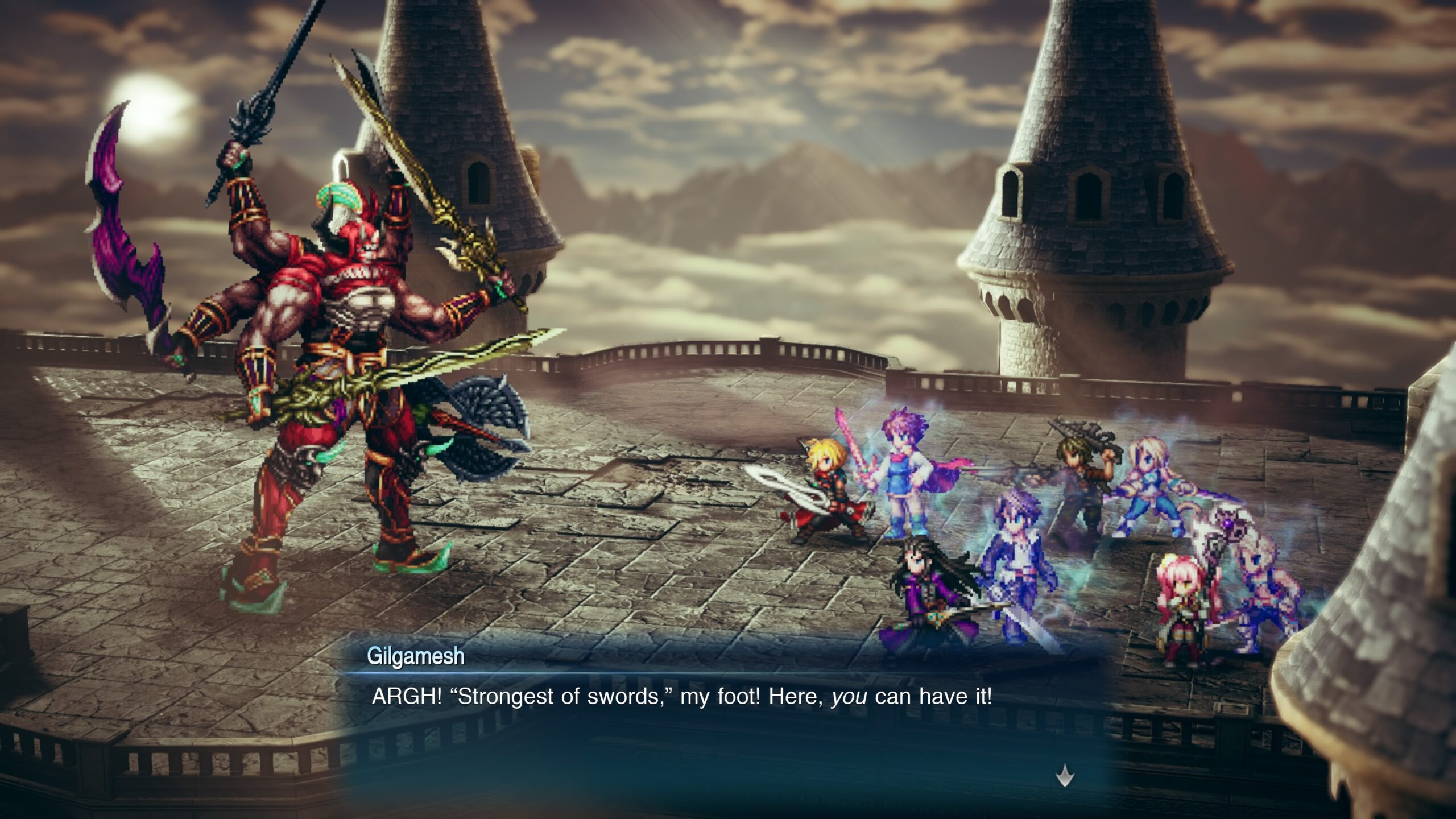
A familiar face on the Big Bridge.
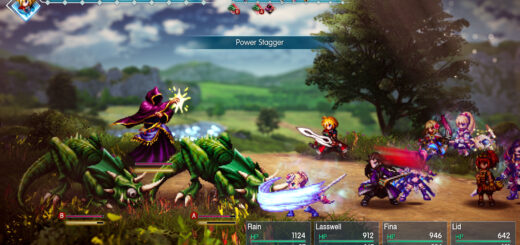
At its core, Final Fantasy Resonance is a return to the classic turn-based combat of the series, with a turn-order system similar to Final Fantasy X. The timeline at the top of the screen shows when each character and enemy will act, giving players a clear idea of what is coming next and making it easier to plan ahead. Enemies have both a health bar and a stagger gauge, and depleting the latter prevents them from taking their next turn while also lowering their defense. This creates opportunities to focus on staggered enemies before they can recover, especially when several foes are close to being staggered at once.
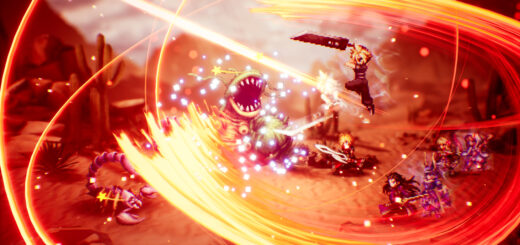
When every enemy is staggered, the party can trigger a Sweeping Stagger and enter an Extra Phase, allowing a Vision to unleash its Resonance. These powerful attacks function much like Limit Breaks, each offering a devastating signature move based on the Vision used. Resonances tied to classic Final Fantasy characters are also accompanied by full CG cutscenes, giving these attacks an appropriately grand presentation. Other Final Fantasy staples make a return as well, including Overkills and summoning Espers in battle. Espers fight alongside the party before unleashing a powerful attack of their own, so they play a more active role in combat.
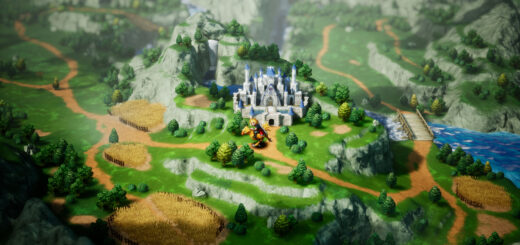
The visuals are nothing short of spectacular, taking the beautiful pixel art of the SNES-era Final Fantasy games and combining it with the grand spectacle that has defined the series’ later entries. Detailed 3D environments surround the pixel-art characters, while dramatic camera angles, lighting, effects, and beautifully animated battles make the classic art style look better than ever. The environments are also impressively varied, from lush forests and sprawling towns to snowy mountains, deserts, and grand castles, each with its own distinct look. The aesthetic captures captures classic Final Fantasy charm without feeling trapped by it. The presentation feels both nostalgic and modern, setting a new standard for what HD-2D can achieve. It is truly a sight to behold.
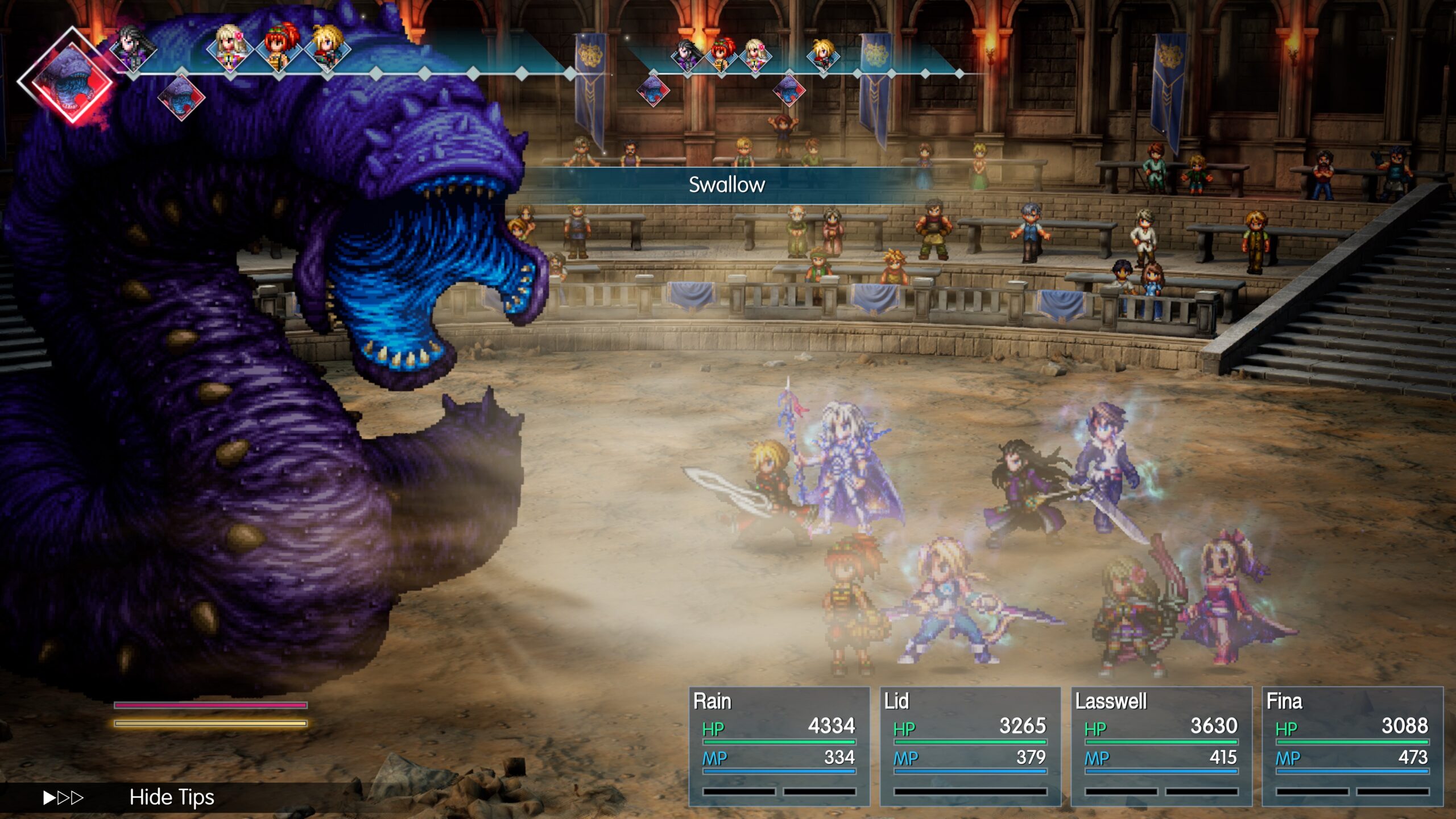
The Colosseum is open for business once again.
The soundtrack is every bit as impressive as the visuals, with excellent battle themes and memorable music for the towns and other areas throughout the world. Each location has its own musical identity, and the tracks fit their surroundings so well that they would not feel out of place in a mainline Final Fantasy game. The battle themes are especially strong, particularly during the game’s more intense encounters. The soundtrack also does a fantastic job of reinforcing the atmosphere of each area, whether the music is calm and inviting in a town or more imposing when danger is nearby. With music carried over from Final Fantasy Brave Exvius alongside 33 new tracks created for Resonance, there is a huge amount to enjoy here.
Final Fantasy Resonance does an outstanding job of recreating what made the classic Final Fantasy games so beloved. It captures the feeling of starting a new Final Fantasy game and wanting to see where it leads, with some of the best pacing in any RPG. Square Enix has been refining HD-2D for years, and Resonance is its strongest showcase yet. Most importantly, it is a reminder of just how timeless the foundation of Final Fantasy really is. The series has changed enormously over the decades, but Resonance shows that Square Enix can bring the best of the classic and modern eras together. This is truly a Final Fantasy for RPGamers.
Disclosure: This review is based on a free copy of the game provided by the publisher.

Stunning HD-2D presentation
Excellent pacing
Engaging turn-based combat
Great sense of nostalgia
Occasional deus ex machina moments
Some Visions contain spoilers for other games



Recent Comments