The Legend of Zelda: Ocarina of Time Remake Review
Aged Like Wine
I was born the year The Legend of Zelda: Ocarina of Time first came out. In those twenty-eight years since, modern games still heavily rely on that game’s breakthroughs such as Z-Targeting as a method of locking onto both NPCs and enemies, or through using a dedicated button to reset the camera into a set position. The long shadow these innovations have cast has often obscured the very real quality at the core of Ocarina of Time. The game has a scope that seems almost miraculous given the hardware it was designed for, dungeon design that remains some of the greatest the series has ever seen, and a soundtrack that has defined both Zelda history and gaming history. These elements hold up incredibly well even 28 years later, which is a monumental achievement and really shows how ahead of the curve those original developers were. Mechanically speaking everything in the original has stood the test of time, as evidenced by this classic only needing a facelift in the visual presentation and character control for The Legend of Zelda: Ocarina of Time Remake to feel like the standard again.
This remake is about as one-to-one with the original as it gets without getting hamstrung by a need to be overly faithful to the original work. Aside from a stunning graphical overhaul, most dungeon layouts remain unchanged aside from minor adjustments and substitutions; the narrative is largely unchanged aside from some NPC dialogue and changes to specific wording, and the vast majority of the side content is unchanged. But what has changed — specifically the visuals and, more importantly, the game’s combat and movement mechanics — elevate this remake from a simple visual uplift into an absolute must-play even for those who have experienced the original before.

Some areas feel both incredibly familiar and incredibly different.
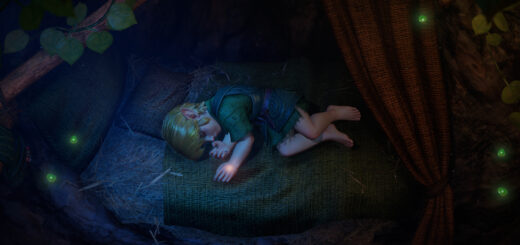
The Legend of Zelda: Ocarina of Time Remake opens almost exactly as the original did; Link, a small boy living in Kokiri Forest, is plagued by nightmares. The Great Deku Tree, guardian of Kokiri Forest, tasks the fairy Navi with seeking Link out and sending him on his epic quest to assist Princess Zelda in saving Hyrule, a quest that begins inside the Great Deku Tree himself. So ensues a journey that is equal parts epic and heartfelt. The remake’s substantial visual uplift provides the animators with the opportunity to add quite a bit more cinematic flair to the game across the board. Link, especially, is able to emote quite a lot more despite still being a silent protagonist. While the original was absolutely a monumental achievement, seeing this world and these characters able to properly move and express themselves is a joy.
The narrative has always a strong suit of Ocarina’s, and the visuals only serve to enhance an already solid foundation. Much has been made of the game’s musing about the passage of time and the melancholy associated with it, and for good reason. The game’s writing is startlingly effective at both allowing younger players to experience the fantasy of embarking on a grand journey to save the kingdom, and also allowing older players a return to look back on that journey with whatever feelings they might have towards it, positive or negative. But, as emotionally effective as Ocarina is, one thing that often gets overlooked is just how funny the game is at times. This isn’t relegated to random NPC’s that have smart quips; major characters like Zora Princess Ruto and Goron Leader Darunia will elicit genuine laughs from the audience in many instances, and even later, when the stakes are raised, the game will go out of its way to make certain moments more comical rather than dramatic. Because the game’s finale is so filled with dramatic moments and emotional beats, the humor acts as a nice, good breath of fresh air.

Shiek plays a major part in the melancholy at the core of Ocarina of Time’s story.
Gameplay is where this remake of Ocarina of Time truly shines. As mentioned above, the core design of the game is one-to-one with the original. The remake makes minor terrain changes and adjusts dungeon layouts, such as a adding a room in the Forest Temple that introduces using a lamp to light an arrow on fire and a much, much more streamlined Water Temple thanks to the dungeon removing a few small key requirements. At the end of the day, however, if one has played Ocarina of Time before, they’ve seen and done the vast majority of what this game has to offer from a pure “content” standpoint. While this sounds like a weakness, the fact is that most of the original’s design already ranged from good to excellent, so while maybe the remake plays it safe, there’s no denying that the brilliance of the original vision comes through in spades.
That makes it a good thing the changes here are mostly quality-of-life and character-control improvements. Thanks to the game running at a buttery-smooth 60 frames per second, Link is more responsive than he’s ever been. While the additions of the jump button and sprint feel superfluous at first, giving players more control over when and how they jump is a nice change, and the sprint is nice-to-have for quicker movement. Equipping items is a major addition: in the original, one only had ready access to three items at a time and had to enter the pause menu if they wanted to equip something else. This remake borrows from the modern Zelda games by both relegating items like the Ocarina of Time and the Lens of Truth to buttons on the D-Pad and by having a dedicated item menu lifted from the newest titles. This allows the game to flow a lot better and makes puzzles a lot less of a headache to parse. Using items feels much better as the Hookshot and Fairy Bow no longer snap to a first-person perspective, instead zooming in to an over-the-shoulder third-person, and the addition of gyroscopic aiming to these items makes them feel that much more precise. Though that won’t necessarily save anyone from the absolute horror that is the archery minigames.

Energy tennis feels so good in this game.
The single most enhanced element of The Legend of Zelda: Ocarina of Time, however, is combat. While some enemies could be threatening in the original, most of the time combat was largely a formality, a minor obstacle to break the pace of a dungeon. In the remake, however, key changes make combat into something that actually requires thought and consideration from the player. Firstly, the speed is greatly increased on both sides. Link’s attacks, whether using his quicker base moveset or a slower, heavier weapon, are much, much faster across the board. However, the same is true for enemies, meaning any enemy that stands on two feet is far more threatening due to their now quicker reaction times. This makes combat into much more of a “dance” than it was in the original, and while it is definitely more of a challenge, it is also a blast to play.
One of the most striking things about the Ocarina of Time remake is just how gorgeous it is, to the point that any screenshot doesn’t quite do it justice. While the art style isn’t all that unique, erring on the more realistic side of the Zelda spectrum, the sheer fidelity combined with incredible performance makes it a treat to look at. The only potential misfire here is that characters’ faces look uncanny at times. This likely stems from a desire to adhere to how the characters looked in the original’s artwork, but the big eyes and noses clash a bit with the otherwise semi-realistic style. The soundtrack is an excellent re-orchestration of the original, and everything from the simple Ocarina songs Link plays to the ambient sounds of the Forest Temple to the Hyrule Field theme is just as effective here as it once was. The voice acting in certain cutscenes is a definite nice-to-have for pivotal moments, and it is definitely fun to have Matt Mercer return as Ganondorf.

Darunia knocking Link out here will never not be funny.
Though I wasn’t there when the original Ocarina of Time released, the long shadow it has cast has made it a part of my life as both a Zelda fan, a fan of video games, and even media in general. While this remake might seem unnecessary to some, I have a hard time seeing it that way. The original was brilliant, yes, but claiming that anything is “timeless” is a failure to acknowledge that technology has made leaps and bounds since 1998. What The Legend of Zelda: Ocarina of Time Remake does so successfully is take the original’s brilliance and modernize the qualities that have aged while outright refusing to compromise on staying true to the original’s vision. It does this so effortlessly and with so little missteps that it’s hard not to recommend, even with the original so readily accessible on Nintendo Switch Online.
Disclosure: This review is based on a free copy of the game provided by the publisher.

Visual uplift makes narrative execution even better
Combat is greatly enhanced
Soundtrack is a great re-orchestration of the original
The original's vision shines through
Some uncanny faces
Voice acting isn't up to par




Recent Comments