Grand Theft Auto VI Interview
Expectations are always high for a new Rockstar Games release, and Grand Theft Auto VI aims to exceed them all. The game follows Jason and Lucia across the state of Leonida, in a story that lets players shape their relationship on their own terms. Their relationship also plays a role in everyday activities, with the two protagonists reacting to each other both during and outside of missions. RPGamer spoke with Head of Development and Producer Rob Nelson about the game’s roots in Vice City, the challenge of writing two established protagonists, and how Rockstar’s approach to open-world design has changed since Grand Theft Auto V.
Interview Note: This interview touches on some of Grand Theft Auto VI’s central themes but avoids major story details.
To start off, Rob Nelson reminisced on his first connection to Grand Theft Auto, when he played Vice City in 2002 while working at another company. Although nostalgia for the 1980s wasn’t nearly as common then as it is now, the game left enough of an impression that it eventually led him to Rockstar Games and eventually played a crucial role in shaping Grand Theft Auto VI. In crafting the world of Leonida, Nelson said the team went back to many of the references that shaped Vice City, including Miami Vice, a crime drama television series that ran from 1984 to 1989. Rockstar wanted to bring those influences into a modern setting, capturing the atmosphere of the 1980s while keeping it current with the times. To do this, Nelson mentioned that the team traveled to Miami to get a feel for its atmosphere and environment.
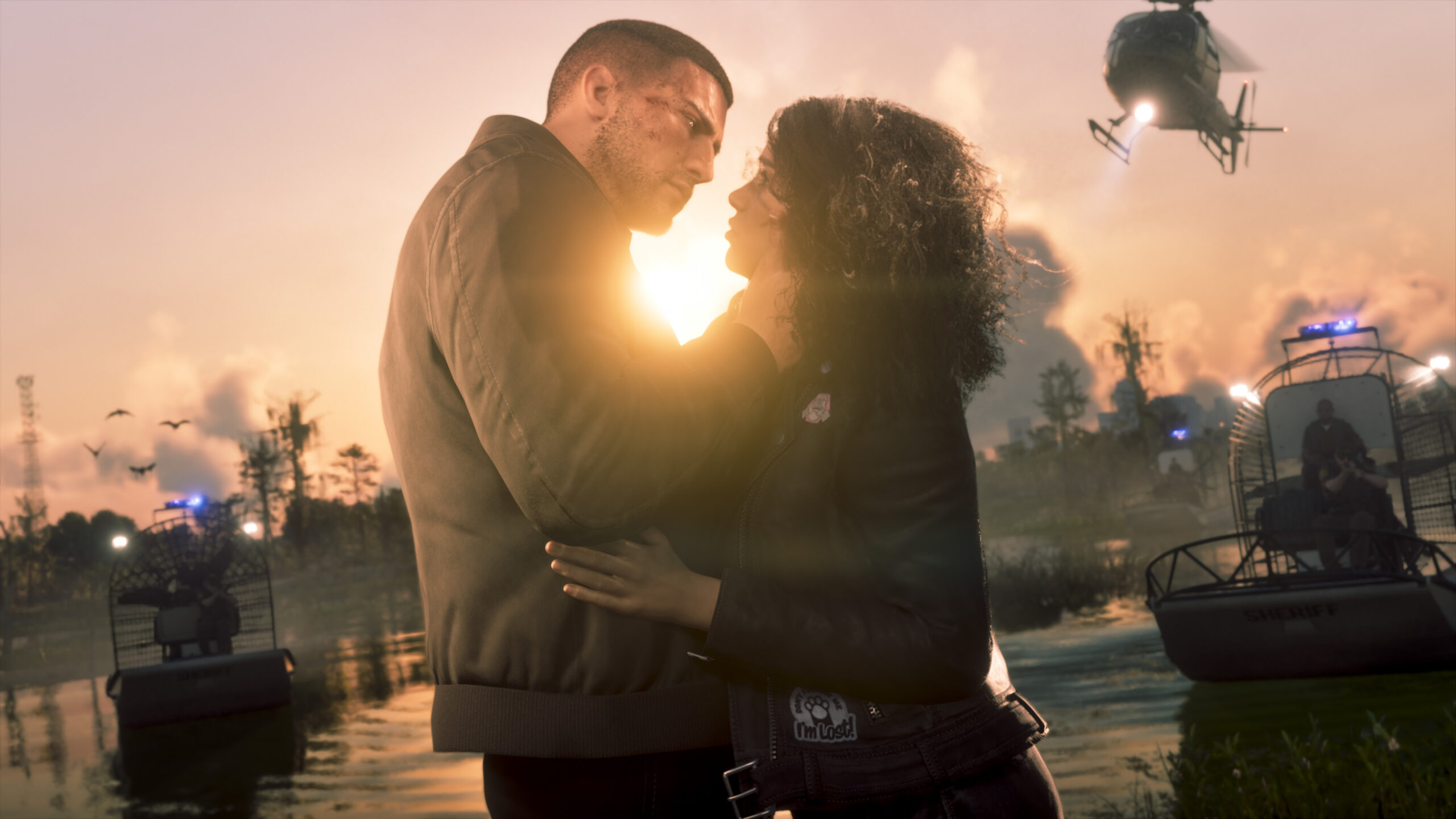
On the protagonists, Nelson talked about the challenge of writing Jason and Lucia as characters with established personalities while still letting players shape their relationship. This required a different approach from Grand Theft Auto V, where players could switch between three protagonists who mostly followed separate paths. Rockstar wanted players to feel connected to both characters without making them empty vessels. To achieve this, Nelson emphasized balancing player freedom to decide how the relationship goes with the personalities and motivations that make Jason and Lucia who they are.
Talking further about character development, Nelson cited the sheer amount of work that went into the artificial intelligence behind the characters, especially when one protagonist is with the other and in how their behavior responds to what the player does. During robberies, for example, a partner will defend the player and draw a weapon when needed. This also extends to everyday activities. If the player orders food and starts eating, their partner will order something and eat as well. To this effect, Jason and Lucia’s AI can effectively mirror the player. On a different note, Nelson outlined the priority of establishing each character’s motivations and desires early in the story. This gives players an idea of who Jason and Lucia are before they decide how the relationship develops, allowing them to shape it while preserving their own personalities.
Nelson emphasized that the same attention to detail applies to Leonida. When asked how the studio’s approach to open-world design has changed since Grand Theft Auto V, he pointed to how different the technology and systems are now. Grand Theft Auto V was originally designed for the PlayStation 3, so Rockstar went into its successor aiming for far more complex systems from the start. While the visuals are important, the team also wanted the world to respond more dynamically to the player’s actions. To illustrate how this was accomplished, Nelson highlighted the different ways NPCs react to what the player does. Trying to steal a vehicle, for instance, can go differently depending on who is behind the wheel. Some will fight back, while others take longer to get out of the car.
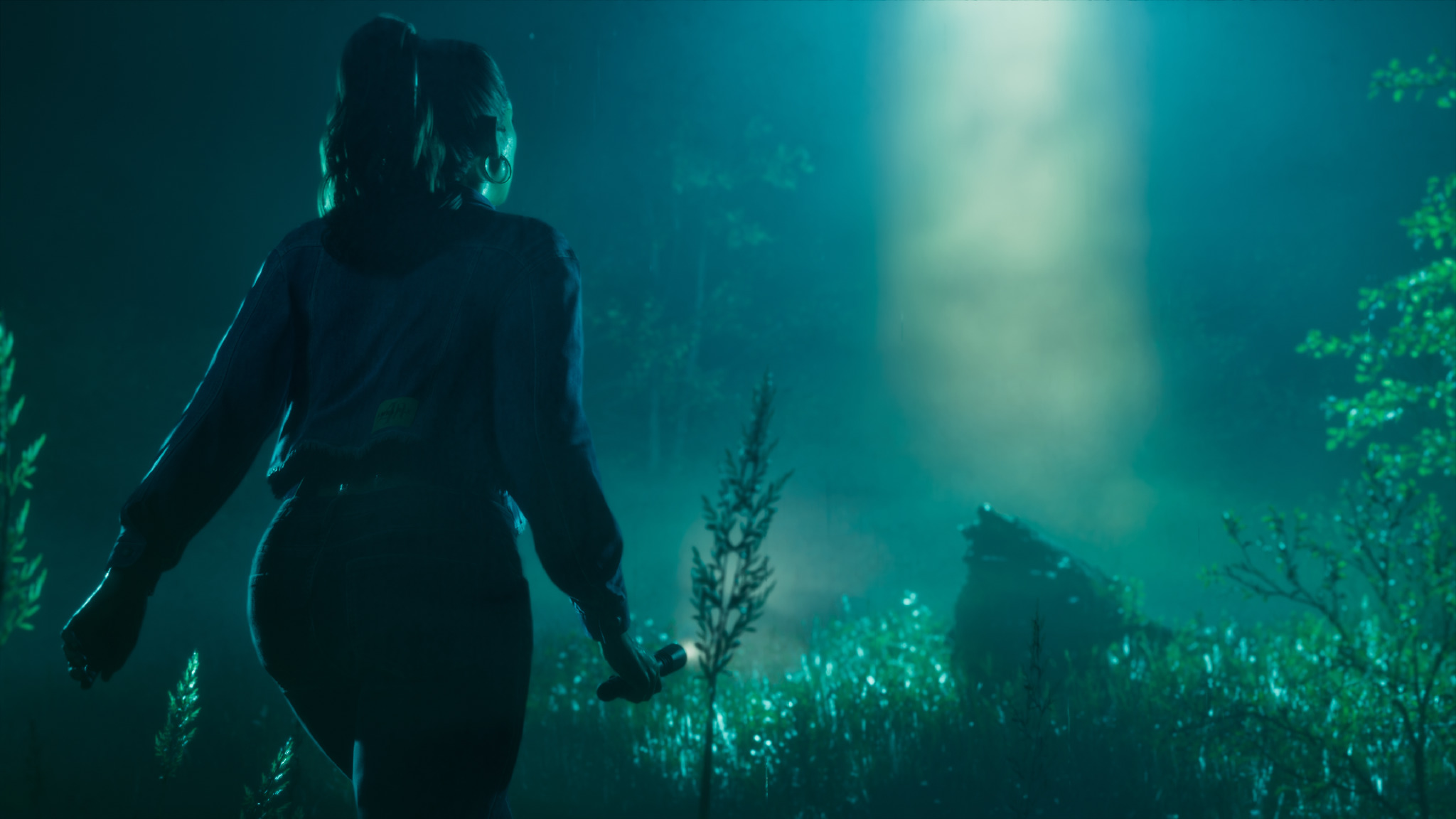
Unrelated activities can lead to unexpected encounters too. In explaining gameplay divergence, Nelson gave the example of depositing or withdrawing money from a bank, which could make the player a target for someone looking to rob them. Having a partner around can change how a situation plays out, and so can how the police respond to a robbery. With so many different variables, Rockstar wanted to expand on these interconnected systems and build on what it created in 2018’s *Red Dead Redemption 2*. In the eight years since, Nelson stressed that as technology has advanced, so has Rockstar’s ability to create an increasingly immersive world.
When asked about the one thing he hopes players will take away from the game, Nelson said he wants people to come away happy. He knows players will approach it differently and connect with different parts of it, and even if some players don’t personally connect with the story, he hopes they’ll find plenty to enjoy elsewhere. Further, he also identified love and sacrifice as the central themes of Grand Theft Auto VI, which sit at the heart of Jason and Lucia’s relationship, and give the story a personal tone amid the chaos of Leonida.
RPGamer would like to thank Rob Nelson for sitting down with us for this conversation, as well as the team at Rockstar for making this happen. Grand Theft Auto VI releases worldwide on November 19, 2026, for PlayStation 5 and Xbox Series X|S.



Recent Comments