Trails in the Sky 2nd Chapter Review
Pleasantly Full of Character
There are few RPGs out there with the level of precision and care in their worldbuilding as Nihon Falcom’s Trails franchise. Adding modern mechanics into the first titles in their sprawling series is a simply astounding idea due to how fleshed out everything is. In Trails in the Sky 2nd Chapter, the sequel ups the ante, the stakes, and the lore to mind-blowing levels. The payoffs that are set up through this title and the preceding one make both titles feel that much greater. Since the focus is tighter and the combat just as riveting, this is a sequel that consistently raises the bar to keep players wholly invested.
As a direct sequel to Trails in the Sky 1st Chapter, even the most superficial explanations of what has happened so far can easily spoil what would otherwise be amazing moments to experience organically. That said, the story picks up directly after the credits finished rolling on the First Chapter and the fallout of those events. After the immediate fallout, there is a time skip of a few months as players join Estelle Bright, heroine of the First Chapter, as she undergoes a training arc to become a skilled senior Bracer. Bracers are a public service that assist townsfolk in need, which helpfully allows Estelle to connect with old friends and investigate odd occurrences in each region. Everyone from the smallest named NPC in a town to party members old and new gets great expanded stories that truly make it feel like a lived-in society.
The pacing of Second Chapter has greater urgency than the original title, which spent a lot of time setting up events and establishing relationships that garner greater emphasis in the sequel. So many threads that had only rising action previously gain epic, heartwarming, and incredibly thoughtful climaxes at every level of storytelling. This leads into the series’ arguably greatest success, while to some, its greatest drawback: its micro conversations. Returning are little nodes on the map that signify when characters have new dialogue, which updates after every main story point. Some characters undergo journeys of self-growth that intertwine with other NPCs and end in heartwarming situations that can easily make the tears flow. Even the ones where they villagers are just living their day-to-day existences can provide background comedy and make every region fascinating to explore.
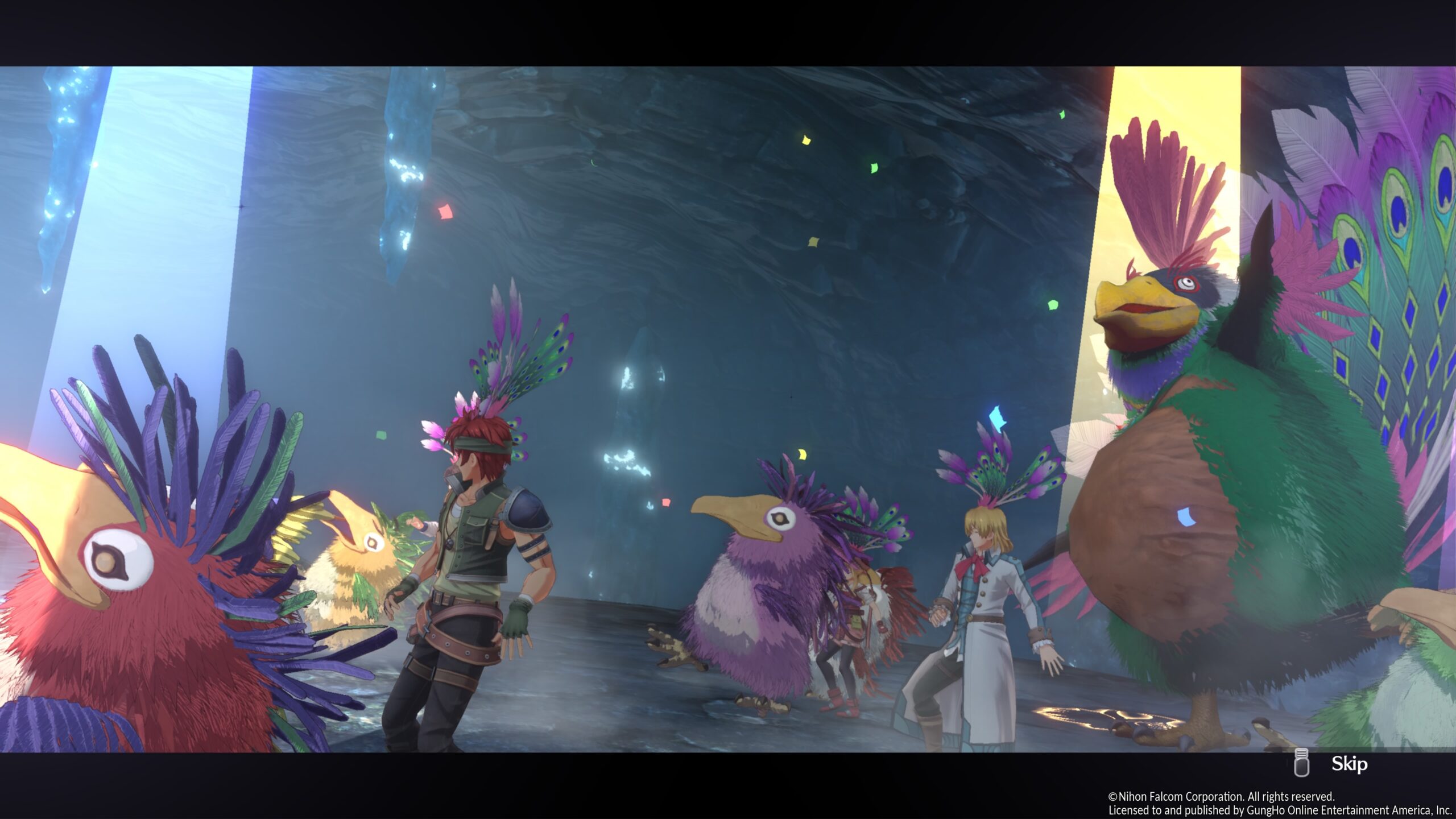
Groove it to that Pengu beat everyone.
Estelle meets up with the party members from the first game, with only a few new faces joining the party. Typically, characters that join end up sticking around, and it isn’t long before there are decisions to make on which party members to take with Estelle. In each region, there are a few party members needed for plot purposes. Every character is useful and customizable, and while they do more easily fit into certain subtypes, they do have skills that can be flexible. Bringing some optional party members can even unlock additional dialogue points with NPCs and banter with bosses, building on everyone’s unique experiences in this world.
The structure of Trails in the Sky 2nd Chapter‘s chapters follows an arc that starts with landing in a new region, learning of an odd mystery to look into, and the full region to explore. This open-ended structure begins to narrow as the mystery is uncovered, until it locks players in for the final confrontation. Then the next chapter begins with finishing up some loose ends before travelling to the next region. The early point of a chapter is the longest, as many side quests can be finished up quickly, as well as finding every location for treasure chests, experience, and NPC stories. Everything ties together so neatly that even side quests and fighting all feel like they are a part of the journey and make backtracking or grinding feel non-existent, as there is so much to explore.
Enemies in Trails in the Sky 2nd Chapter are shown roaming around on the map, and players typically initiate action combat by simply attacking them. At any point, players can hit a button prompt to swap into turn-based command mode. While in action mode, they can simply be run past, with the only hindrance happening if players want to fish or open a nearby chest if enemies are nearby. Action combat is based on physical prowess alone, leading players to swap to their strongest party member to do more damage. Although, as combatants get stronger, it is less likely that entire fights can be completed in action mode, it is still fun and worthwhile to start there because of the bonuses received from swapping to turn-based combat when enemies are stunned. Each party member has distinct attacks and abilities to use as well, making it fun to swap, even when it isn’t always optimal.
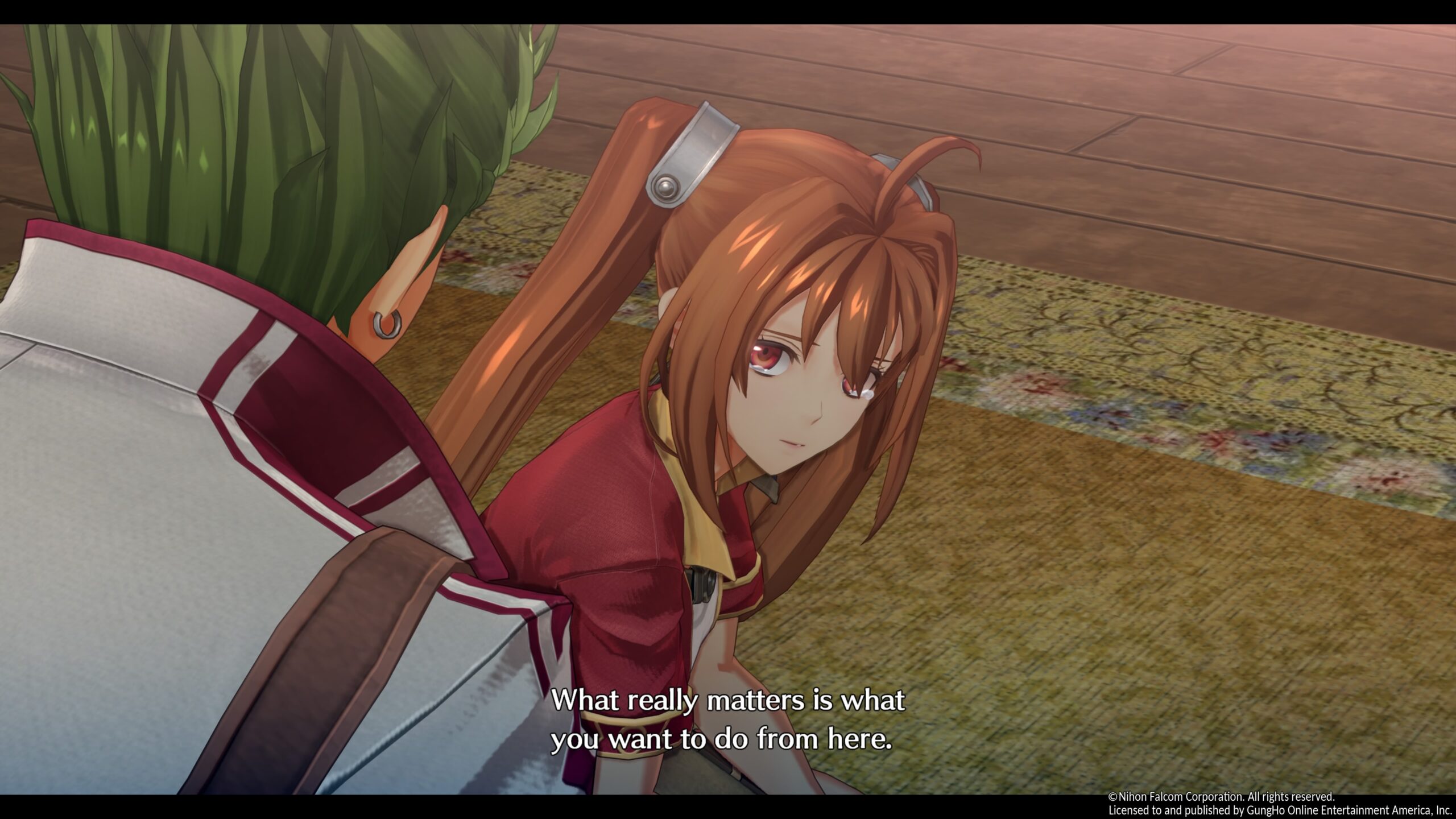
Dialogue is consistently wonderful, taking players on an emotional journey.
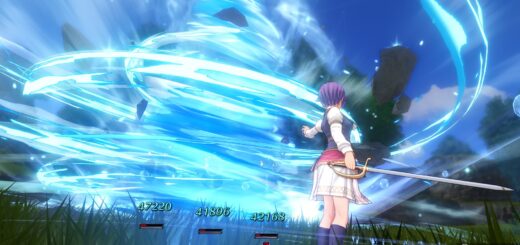
If action combat is the appetizer, then turn-based is still the main course, as every trapped treasure chest and boss fight is turn-based. This works out wonderfully because turn-based is still quick and snappy, with plenty of skills and magical spells (Arts) to keep fights fresh. Adding to this are random boosts that can appear on a party member’s turn, such as “zero” for a free magical Arts usage, or an exclamation mark for an automatic critical hit. Critical hits also launch the party into burst mode, which, depending on how full its gauge is, can elicit anywhere from one follow-up attack to the entire party joining in one choreographed strike sequence. Participating in bursts, or just regular attacking, will also fill each character’s craft points for use with special abilities or powerful S-crafts. S-crafts are very powerful attacks or battle-altering support skills that get stronger the closer players are to the max of 200 craft points, though they can be used in a pinch as long as the player has at least 100. Overall, there’s such a variety of options available that the combat system is consistently enjoyable, and difficult enough that every boss fight doesn’t feel safe.
Trails in the Sky 2nd Chapter can have moments where enemy bosses unleash a series of powerful strikes, or get lucky with debuffs that can quickly incapacitate the party. In these moments, swapping out equipment, altering plans, and using consumables can all assist with this by using in-game methods to get stronger. There’s also a very handy system; if the party falls, there are two options: replay the fight, or re-do the fight with weakened enemies. This is a brilliant system, as it weakens that isolated fight without changing the overall difficulty of combat. Since it can be done right from the game over screen, it doesn’t allow difficult fights to get in the way of progressing the story, while still having an approachable way to keep combat engaging.
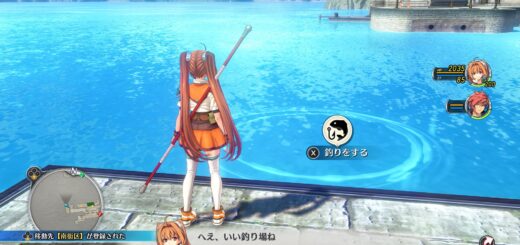
2nd Chapter includes a few mini-games and events that range from fun overworld excursions to unique side quests. Fishing is introduced in this title after not being an active mini-game in the First chapter. Fishing is passable, with at least half the difficulty coming from only obtaining lures from fighting or catching small fish. Actually catching fish is simple: press and hold a button, while on more difficult catches, shifting the analog stick to the side shown on screen is combined with the held button. Estelle holding the fish and gaining a small reward is cute in small doses, but doesn’t provide much practical use. Collecting recipes through food items can be more practical, as party members can create regular, peculiar, and occasional custom specialty dishes, which are worthwhile for first-time stat boosts and rewards with each recipe. Handy visuals show the likelihood of getting a specific type of dish, and even some failed recipes can be used as consumable attack items with cool animations attached. Unique side quests include using detective and observation skills gained from being a Bracer to get to the bottom of a smaller local mystery and often add a lot of fun flavour text to some NPCs’ backgrounds.
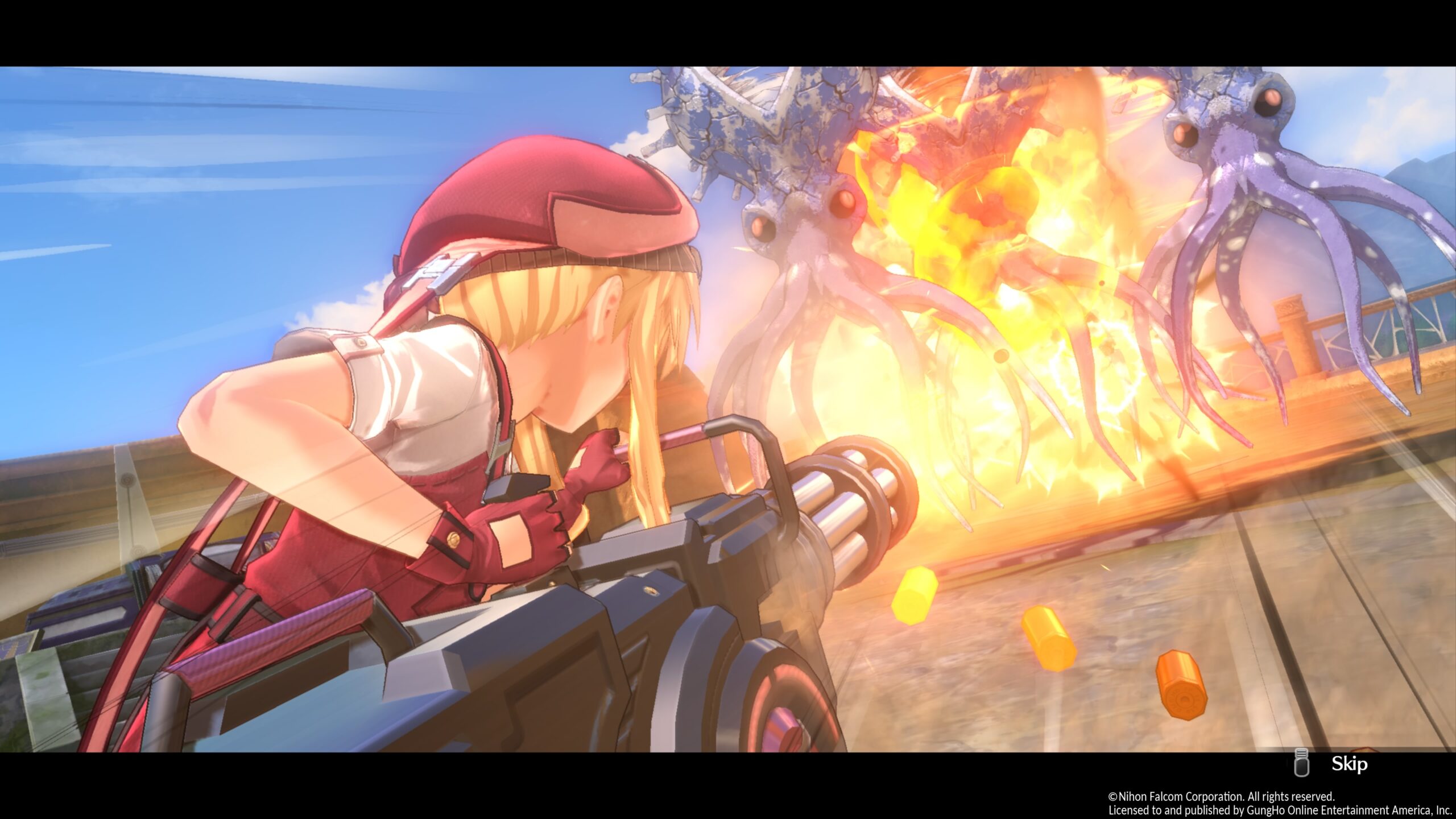
Woe to the person that messes with the adorable mechanic with a Gatling gun.
Trails in the Sky 2nd Chapter has kept its visual flair from the previous title and mixed in a few more dynamic story scenes that are befitting the higher stakes that this sequel brings. Many of the character designs get a costume update, but otherwise the same visuals are used for the backgrounds, NPCs, and enemies, though the new characters and villains are quite memorable. A lot of locations feel like home due to the time spent between both games, which makes each region feel comfortable to traverse in. The soundtrack often brings to mind that same imagery of home, with chord arrangements that evoke rustic, tight knit communities, and even when chords signifying danger are added in, there’s a sense of optimism that is emphasized by Estelle’s actions. Voiceover is brilliant as well, with much of the character development and powerful moments getting their due from wonderful work from the actors.
Sequels are supposed to do everything bigger and better. Trails in the Sky 2nd Chapter definitely finds a way to continuously up the ante, with compelling story arcs for every character that keep the player glued to the screen. Combat has a consistently enjoyable set of systems that that encourage variety, keeping it enjoyable and pleasant throughout. It will take a long time to experience everything, but exploring this wonderful setting is a constant joy. With every aspect improved on, the title accomplishes everything a sequel should, including leaving players begging the question of when the next one is on its way.
Disclosure: This review is based on a free copy of the game provided by the publisher.


Expands upon First Chapter's plot brilliantly
Every NPC has an interesting story arc
Combat is constantly engaging
Experiencing everything takes a lot of game time to accomplish
Lots of micro stories require constant follow up, which also eats into runtime




Recent Comments