Final Fantasy XIV Switch 2 Deep Look
While the Nintendo Switch 2 version comes with some compromises, the core experience remains fully intact, allowing players to experience the incredible journey through Eorzea wherever they go.
Final Fantasy XIV is my favorite MMORPG of all time. For years, fans, including myself, have hoped that Eorzea would eventually make its way to a Nintendo platform in a form that could properly handle the game. Now, thanks to the Switch 2, that hope has finally become a reality. While the Steam Deck has already made it possible to take the PC version on the go, the Switch 2 marks Final Fantasy XIV’s first official native handheld release. Of course, the real question is how well the game holds up on Nintendo’s hardware and what, if anything, players are giving up to make that possible. After spending time with the Switch 2 version, the overall experience is an impressive technical achievement with some notable caveats.
First of all, the Nintendo Switch 2 version targets approximately 30 fps in both docked and handheld modes. While this is understandable given the hardware limitations, it does make docked mode compare unfavorably to other platforms when played on a larger screen. The lower frame rate is noticeable, especially during combat, where animations and performance can feel choppy. That said, the performance is at least consistent. Outside of heavily populated hubs where the frame rate can dip under heavier load, gameplay remains stable throughout most zones. However, larger encounters, such as battles in the Occult Crescent, can result in noticeable frame drops due to the sheer number of characters on screen.

The power to defeat Kefka in the palm of your hands!
The handheld mode, on the other hand, is a much better experience. The smaller display does an excellent job of masking the lower resolution and frame rate, making the overall presentation feel much nicer than on a large monitor or television. It is an especially enjoyable way to tackle more relaxed activities such as crafting, gathering, or knocking out daily tasks, while still feeling perfectly capable during dungeons and story content. Players looking for a way to experience Eorzea on the go will find that the Switch 2 version successfully delivers on that promise, making portable play its greatest strength.
The elephant in the room is the loading times. Whenever the screen fades to black, the Nintendo Switch 2 version takes noticeably longer to load than other versions on modern platforms. While this is typically only a minor inconvenience during questing or casual activities, it becomes a significant liability in high-end content. Combined with the 30 fps target, the Switch 2 version is not recommended for Savage and Ultimate raids. Even less demanding activities can be affected; Critical Engagements in the Occult Crescent, for example, often take so long to load that bosses have already begun executing mechanics before the player even enters the battlefield.
Players coming from the PlayStation or PC versions will have little trouble adjusting, as the controller layout transfers over almost identically, especially if transferring settings from other platforms. Existing controller settings can be carried across, allowing the familiar PlayStation-style layout to remain intact, with B serving as the confirm button and A as cancel rather than adopting Nintendo’s traditional button arrangement, and the controls can be remapped to suit individual preferences. The standard Nintendo Switch 2 Joy-Con controllers, however, have noticeably more sensitive analog sticks than a typical PlayStation controller. While this is easy enough to adapt to over time, those looking for a controller that more closely resembles the feel of PlayStation’s analog sticks will likely prefer using a Nintendo Switch 2 Pro Controller.

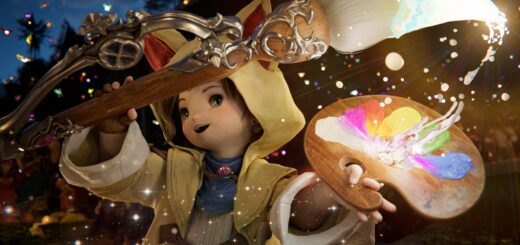
Overworld content is a great fit for handheld play.
The subscription prices are a bitter pill to swallow. Players who begin playing during the Nintendo Switch 2 launch period receive the first month of service at no additional cost, followed by a complimentary month of play time. After that, however, those who already subscribe on another platform must purchase a separate Nintendo Switch 2 subscription to continue playing. Although Square Enix offers a 50% discount for existing subscribers, it still results in an additional monthly expense simply to take Final Fantasy XIV on the go, without offering any other worthwhile benefits in return. Adding perks such as additional retainers or expanded veteran rewards would go a long way toward making the separate subscription feel like a stronger value proposition.
The Nintendo Switch 2 version also comes with a few platform-specific considerations. Players transferring their settings from another platform will likely need to rescale the HUD for the smaller display, though the process is simple thanks to Final Fantasy XIV’s extensive interface customization. Just like any other version, cross-progression works seamlessly, allowing characters, settings, and progress to carry over without issue. Nintendo Switch 2’s haptic feedback is another welcome addition, adding subtle immersion throughout the game. Flying across Mare Lamentorum during a storm, for example, feels more satisfying thanks to the subtle haptic feedback from the controller.

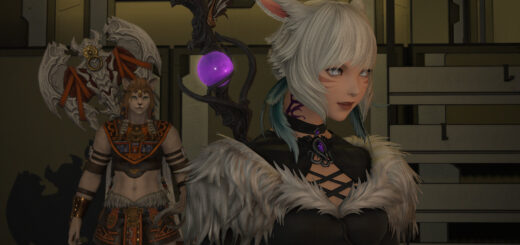
The cutscenes still look quite good on Switch 2.
At the end of the day, this is still Final Fantasy XIV, one of the greatest MMORPGs ever created. While the Nintendo Switch 2 version comes with some compromises, the core experience remains fully intact, allowing players to experience the incredible journey through Eorzea wherever they go. It may not be the recommended way to play for those with access to more powerful platforms, especially for players focused on high-end content, but it is still an excellent secondary option for anyone who wants the freedom to take the game on the go. The arrival of Final Fantasy XIV on a Nintendo platform is exciting in itself, and this version finally delivers something many fans have wanted for years, even with some limitations along the way.
Disclosure: This article is based on a free copy of the game provided by the publisher.




Recent Comments