Phantom Blade Zero Review
Enter the Wulin
In ancient Chinese philosophy, yin-yang represents what Daoists consider the universe’s natural state. It is a state in which opposing forces or principles coexist, interact, support, and ultimately perpetuate one another. S-Game’s Phantom Blade Zero epitomizes that concept. For most of its runtime, especially the breathtaking first half, it deftly balances seemingly opposed elements as it weaves through a plot that is equally grounded and intriguingly bizarre. The game’s combat is amazingly cinematic while still demanding great player skill and involvement, and its presentation is traditionally excellent and remarkably original. While the game’s latter half fumbles the pacing of its attack scaling and reward system, keeping it from absolute perfection, Phantom Blade Zero is one of the most innovative and unique action RPGs in recent memory, firmly expressing its “kungfupunk” identity with style, grace, and aplomb.
Phantom Blade Zero centers on Soul, an elite assassin and top-ranking member of The Order, a prodigious organization of talented kung fu masters. One day, The Order’s leader is assassinated, and Soul is framed for the murder. In a blistering duel against Zuo Shang, Soul’s sworn blood brother, Soul’s heart is pierced, and he is left for dead. However, a mysterious entity known as the Flesh Sculptor revives him, giving Soul just 66 days to live. Soul then sets out to pursue Zuo Shang and, along the way, uncover mysteries and conflicts throughout the grander martial arts world known as the Wulin.
The plot is exceptionally intriguing, with a pervasive air of mystery and oppression. As Soul travels through a decimated Wulin, he battles the Maskwalkers, a sect of faceless, powerful warriors who have shunned their humanity. Their sheer power leads many of the Wulin’s sects to form a complex web of alliances. Phantom Blade Zero’s world is rich with confrontation, tenuous alliances, and longstanding grudges, making the Wulin’s multifaceted conflicts across sects especially captivating. The game dives into many interesting themes, weaving in steampunk technology and otherworldly elements that explore fate and the transcendence of the self. While some later plot threads feel a tad rushed and rely too heavily on exposition, Phantom Blade Zero‘s story is well-written and strongly executed, with plenty of surprises, interesting lore, and fascinating discoveries.
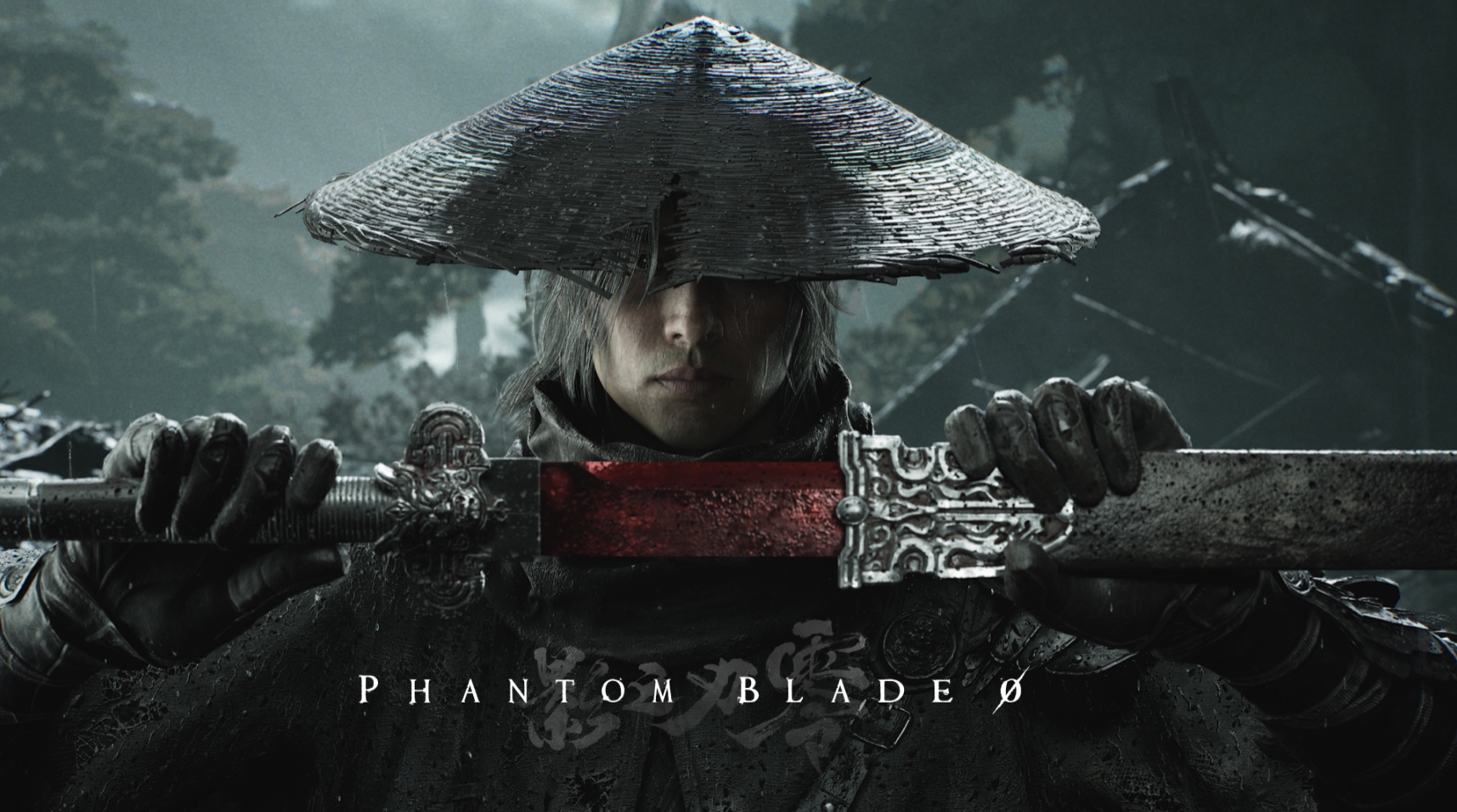
Soul is the quintessential xiake hero: badass, quiet, and empathetic beneath a reserved exterior.
Phantom Blade Zero’s most remarkable and defining element is its innovative, brilliant combat system, driven by fluidity, speed, and a masterful mechanical implementation of its kung fu. The game’s central mechanic is the Sha-Chi meter, which fuels blocking and Sha-Chi attack combos. Soul can dodge, block, parry with well-timed blocks, and use regular attacks or Sha-Chi combo attacks, the latter of which drains the enemy’s Sha-Chi meter faster. Once enemies or Soul expend their Sha-Chi, they become Guard Broken, lose mobility, and take more damage. Soul has a wide arsenal, with three weapon categories — dual-wield, one-handed swords, and two-handed swords — and can equip two weapons he can switch between during combat, with thirty primary weapons across the entire game. Switching between weapons fully refills Sha-Chi, though weapon switching has a cooldown. To round it out, Soul has a secondary set of powerful armaments called Phantom Edges with a limited number of uses. These range from hooks and axes to gauntlet fists, and beyond turning the tide of combat, they also aid exploration by opening blocked paths or enabling traversal. Further, Soul and his primary weapons can use powerful attacks called Power Surges.
Put together, Phantom Blade Zero’s combat is divine, and at its peak, some of the best in any action game, period. The best way to describe its feel is the Daoist principle of wu wei: “effortless action.” Attacking and defending aren’t separate; the game expects players to do both in tandem. Blocking depletes Sha-Chi, but parrying doesn’t, letting players turn defense into offense. Soul’s Sha-Chi constantly clashes with the enemy’s, turning every fight into a frenetic dancing duality. Every fight is fast, furious, and thrilling, ultimately requiring supreme attention and execution. To mix things up, incredibly dangerous Blue and Red-Flash Attacks also appear; the former can be blocked, or, more aptly, parried, while the latter must be evaded at the right moment with a perfect dodge. Countering these refills Sha-Chi, triggering a “Ghoststep,” and teleporting Soul behind the enemy. Enemies also have dangerous blows that darken the screen. Players should ideally dodge these, though they can block them, leaving them with only a sliver of Sha-Chi and putting them at risk of a Guard Break from a follow-up attack. Together, these elements keep players on their toes amid the heat of battle.
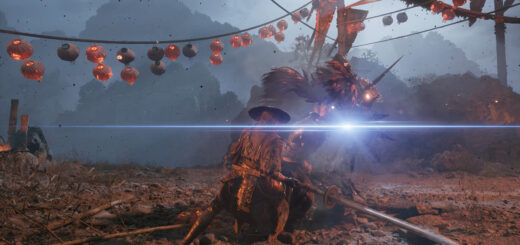
Phantom Blade Zero impresses with its cinematic gracefulness, with every action moving smoothly and fluidly.
When an enemy’s health is low, Soul can sometimes use a Phantom Edge for free or, when they are near death, perform an execution. The animations are incredible, giving the combat a rhythm unlike anything else. When facing multiple enemies, the game also uses context-sensitive animations; for example, with a dual-wield weapon, Soul will sometimes jump and split attacks between them. The level of detail is outstanding, and when all its mechanics come together, Phantom Blade Zero truly feels like a playable kung fu movie that delivers supreme cinematic flair while keeping player skill and input at the forefront.
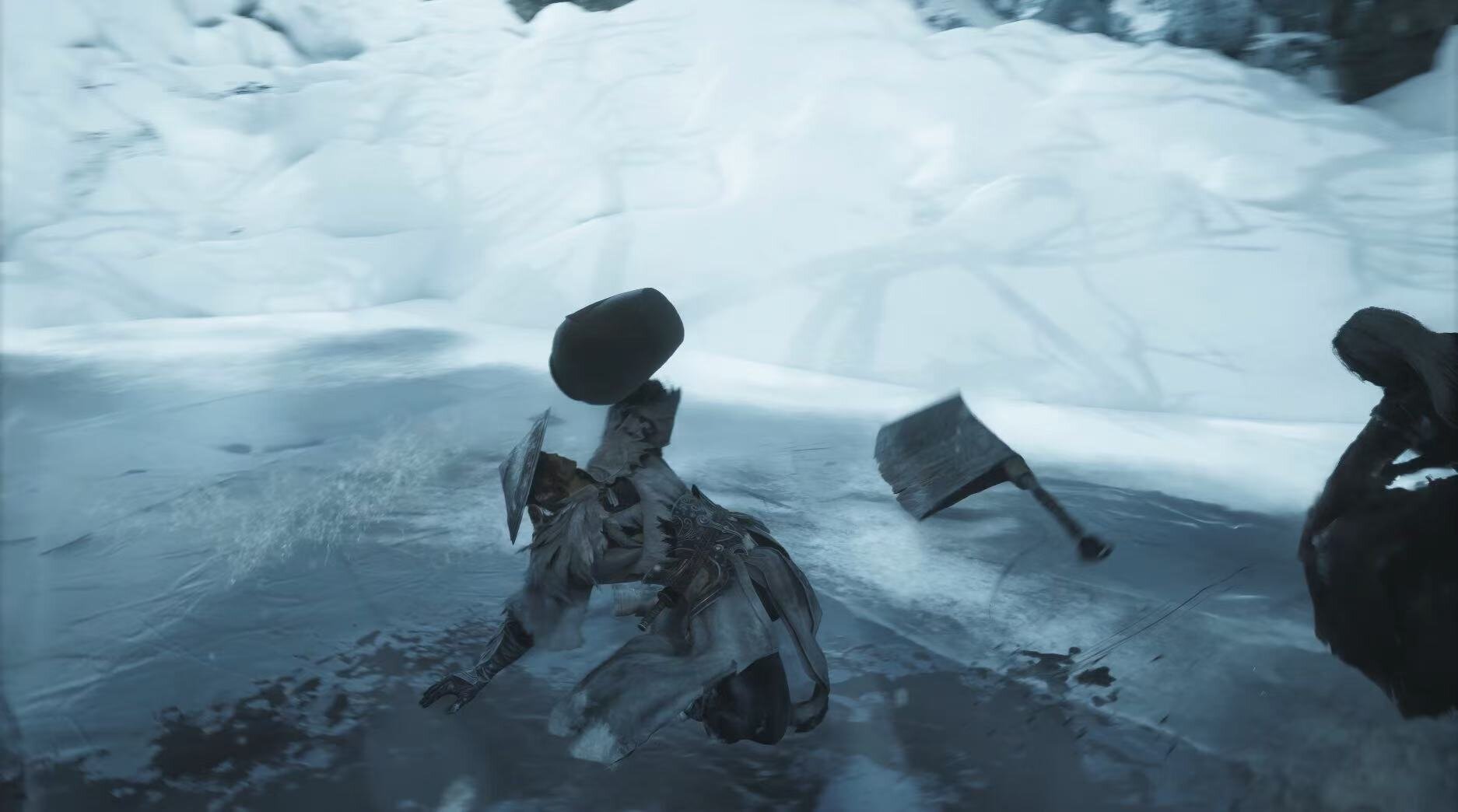
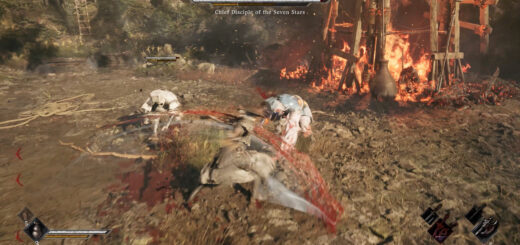
With a hefty swig of liquor, Soul slides in for a drunken execution.
A discussion of Phantom Blade Zero is incomplete without mentioning its extraordinary boss battles, which are some of the finest and most exciting in any action RPG. The sheer creativity and effort behind each fight is phenomenal, and whether it’s the leaders of different martial sects or some bizarre, horrifying corruption, Phantom Blade Zero always surprises with its ingenuity. The boss design is immaculate, especially in the first half, where many fights demand a specific approach or strategy, forcing players to switch weapons or engage with a mechanic. One fight might reward dodging more, while others make Sha-Chi combos riskier, and so on. While the mechanical bedrock of combat and the core boss design never falter — both in spectacle and player engagement — the game’s latter half has a few bosses that are less-than-ideally balanced and not quite as impressive combat-wise. By the game’s end, fighting regular enemies, cinematic brilliance and fun kung fu badassery aside, becomes somewhat trivial, largely due to the game’s progressive RPG elements.
In Phantom Blade Zero, players upgrade weapons using the game’s currency, Remnant Dust, gained through combat and exploration. Weapons also require various upgrade materials found mainly through exploration but also through shops. Initially, up to the game’s midpoint, when the game’s sequence of explorable levels is more linear and restrictive, this system works flawlessly. Natural progression and engagement with environmental objects or the level empower Soul’s arsenal, increase his HP, Sha-Chi, and attack, and grant accessories and various medicines that alter combat or provide buffs. Unfortunately, after the game’s midpoint, once it opens up exploration to multiple zones, the Remnant Dust economy falls apart, becomes far too plentiful, and overpowers Soul. While the late-game bosses are still fantastic, this somewhat diminishes their impact by making engagement with their mechanics less mandatory and more of a strong suggestion; players still have to execute the fundamentals, but the late-game power increase shortens battles.
Regular enemies, on the other hand, become heavily trivialized by the game’s final zones, as does exploration. Combat becomes a spectacle sport: it’s still mechanically engaging, but the ease of accruing Remnant Dust and the power of late-game weapons shred enemies like leaves in the wind. This is somewhat of a shame, as the weapons clearly show effort, care, and detail, with each one featuring unique attack and execution animations and tons of fun, thoughtful mechanics. Nevertheless, while the mechanical foundation of combat keeps boss fights thrilling until the end, the interactive unraveling fares worse during level exploration.
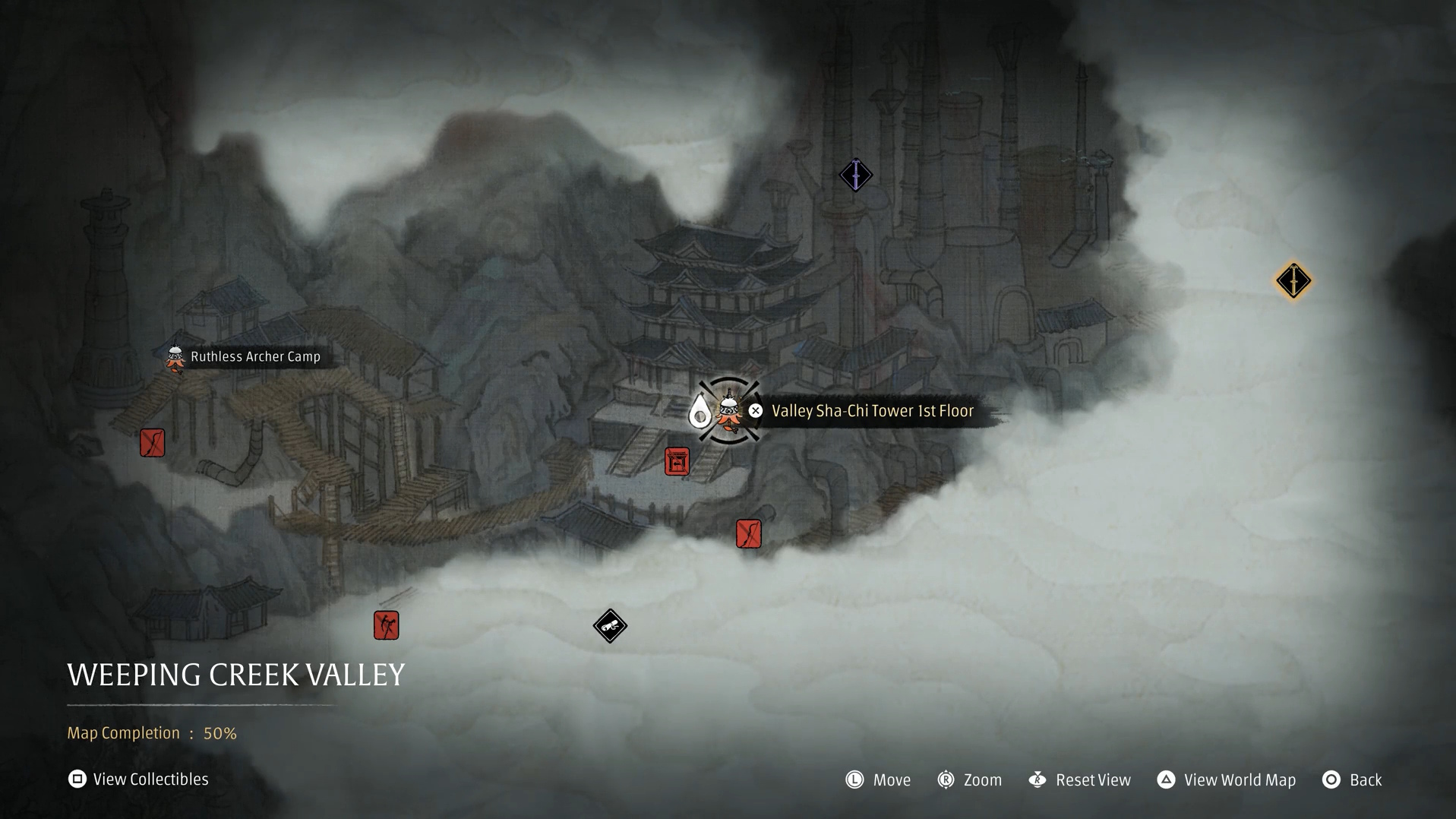
The game’s ink-wash maps are gorgeous and give a generally good lay of the land.
Some areas are initially blocked off and require Phantom Edges to explore, a mechanic that feels unevenly integrated and somewhat superfluous. Early on, opening new areas in levels works wonderfully; later, exploration via Phantom Edges feels significantly less purposeful. An especially puzzling example is the map icons for some of these spots, which trivialize their discovery and only serve to make the map unnecessarily confusing; if players are expected to remember paths, they should be expected to find and remember these without indicators as well. Near the game’s end, some spots offer rewards that are entirely pointless, mostly excess weapon upgrade materials and already plentiful Remnant Dust.
Visually, Phantom Blade Zero is ascendant, exuding creativity and originality in every aspect while boasting some of the most visionary art direction around. The visual landscapes are just awe-inspiring and breathtaking. Phantom Blade Zero flawlessly blends traditional Chinese imagery, architecture, and culture with steampunk and supernatural elements to create something stunningly original. Industrial, steam-billowing fortresses called Sha-Chi towers rise against lush, towering hills laced with otherworldly red string. Breathtaking vistas and landscapes like these appear around every corner, rich in color and imagination. The graphical fidelity does wonders for the game’s visual design, with Phantom Blade Zero using Unreal Engine 5 to its full potential. Every environment, house, and landscape shows an astonishing level of detail, and performance issues are largely minimal, with the game splendidly optimized.
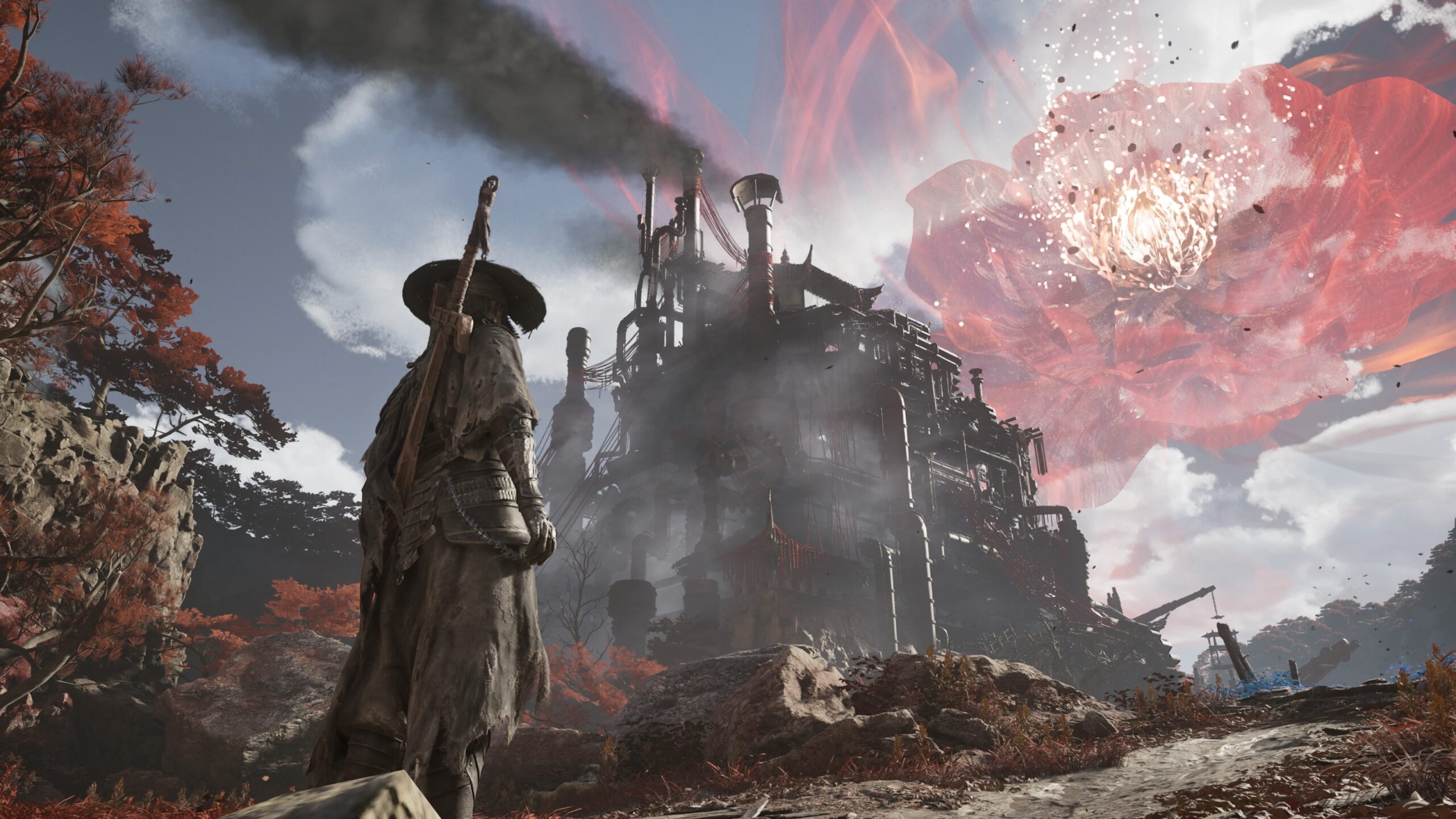
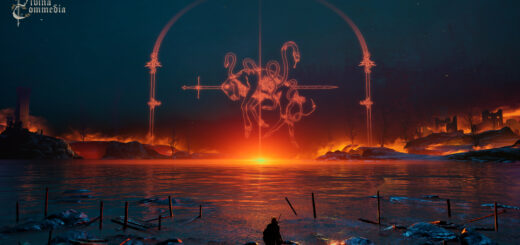
The environmental design is just jaw-droppingly gorgeous.
Phantom Blade Zero matches that originality and quality both musically and vocally. Musically, the game fully embraces its cultural setting and traditions, incorporating frequent, masterful use of classical Chinese instruments like the erhu, guzheng, pipa, and guqin. But Phantom Blade Zero takes it further by fusing these elements with modern influences, rip-roaring electric guitars, death-metal vocals, and layered trap- and electronic-inspired beats. The soundtrack gives the boss fights, environments, and overall experience a distinctive, spectacular character, and its fusion of multiple genres is both surprising and remarkably cohesive. The voice acting, in both Chinese and English, is incredible, with compelling, dramatic performances throughout. Notably, the lip-syncing is accurate in both Chinese and English, keeping the game consistently immersive.
Phantom Blade Zero is staggeringly impressive in so many ways. Its kungfupunk identity is thoroughly fleshed out by an innovative, exceptionally designed combat system that is a gorgeous love letter to wuxia tradition. Full of clear love and effort, the game’s combat — especially its ingenious bosses — ranks among the best in an action RPG or in any game, period. Although its progression systems and Remnant Dust economy unravel in the second half, the combat’s mechanical footing remains firm throughout, even as the game gradually opens up its exploration and makes combat against regular enemies trivial. With its generationally marvelous presentation, Phantom Blade Zero is ultimately a must-play experience that RPGamers shouldn’t miss.
Disclosure: This review is based on a free copy of the game provided by the publisher.

Masterfully constructed, distinct, and fluid combat
Well-written, compelling story
Gorgeous visuals and incredible environmental detail
So many outrageous and memorable bosses
Outstanding score and voice acting
Remnant Dust and upgrade economy falls apart in the second half
Second-half balance issues trivializes exploration and slightly waters down combat
A few plot threads abruptly resolved or oddly paced




Recent Comments