Phantom Blade Zero Impression
Phantom Blade Zero is a remarkably distinct experience, with adrenaline-laced, rapid, deep wuxia combat in a gorgeously crafted, dark, colorful world that feels rich with storytelling potential and drama.
From its initial announcement, Phantom Blade Zero seemed deeply intriguing, so when I got the chance to take an extended look at the wuxia action RPG, I was all in. While RPGamer got a brief impression of the game during this year’s Summer Game Fest Play Days, this most recent preview in Los Angeles offered an extended look at the game’s first chapter, spanning six hours of gameplay. What was gleaned from the initial snippet back in June turned out to be even more promising here: the combat fundamentals are rock-solid, with fluid, fast-paced, and exhilarating encounters. This extended preview, however, made it clear that Phantom Blade Zero also features excellent RPG progression mechanics, a breathtaking world, and the foundation for a deeply layered, intriguing plot.
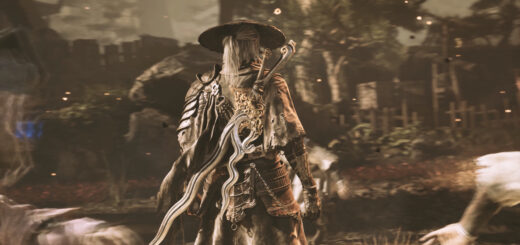
Phantom Blade Zero‘s environmental design is wonderful, with an impressive and dizzying sense of scale. The first chapter showcases some beautiful Chinese landscapes, but it also includes bizarre, almost surreal locations, including a giant, dilapidated steel factory tower and several areas laced with puppet strings. The verticality between the cliffsides and the architecture is stunning, and every area has intricate detail, with plenty of environmental elements. Everything is rendered beautifully, with extraordinary graphical flourishes throughout, and the overall art style stuns through its blend of cultural authenticity, attention to detail, and a remarkable mix of steampunk, cyberpunk, and traditional Chinese elements.
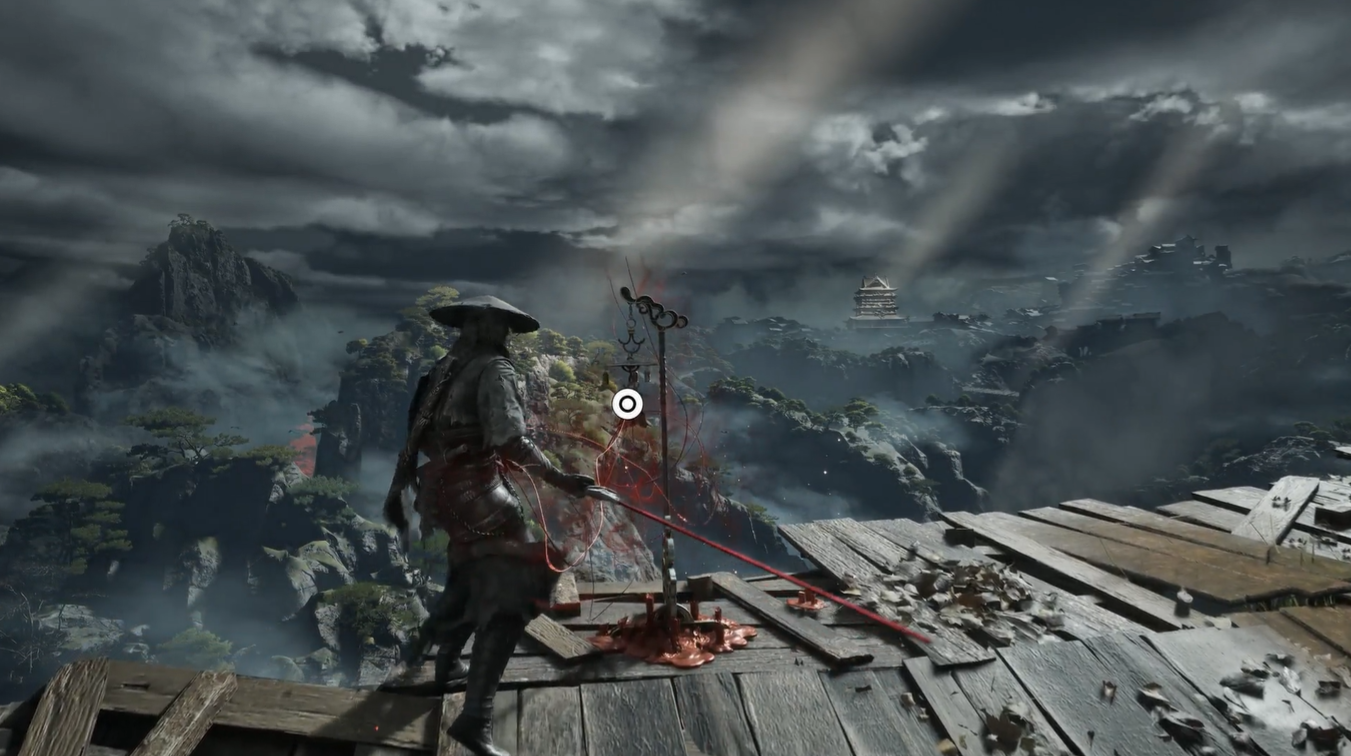
Phantom Blade Zero doesn’t skimp on incredible vistas.
Phantom Blade Zero’s world isn’t just spectacle; navigating it feels fun and ridiculously smooth thanks to Soul’s acrobatic martial abilities, including wall-running, grappling, jumping, and more. What also makes the world feel so refreshing is how well it balances its visual scale with a restrained approach to level size. It’s not quite an open world, but it isn’t entirely linear either; plenty of branching paths lead to interesting events, treasures, and rewards, yet the game keeps players on a progressive track that makes the story feel deliberate and well-paced. If players get confused, the game offers a hand-painted ink map of the region, and while it initially seemed like it could be confusing to use for navigation, it actually proved quite helpful, with the added benefit of preserving the world’s mystery and secrets.
The real meat and potatoes of Phantom Blade Zero, however, are in its wuxia combat, and this preview puts every question or doubt to rest: it’s fast, fluid, and fierce. Soul can choose from thirty different weapons and wield and switch between two at a time, and also access twenty-five secondary weapons known as Phantom Edges, which offer a wider variety of tactical options than primary weapons. Phantom Blade Zero’s core mechanic centers on Sha-Chi, a combined stamina and guard meter that players and enemies alike use for offense and defense. Guarding gradually drains it, but players can also execute Sha-Chi combos with their weapons, draining an enemy’s Sha-Chi faster than regular attacks. Once drained, players can initiate an execution on normal enemies or deal increased damage to bosses.
Aside from Sha-Chi, players can dodge and, with a properly timed guard, parry, which depletes none of the player’s Sha-Chi and severely depletes the enemy’s. Enemies and bosses have Blue-Flash and Red-Flash Attacks. Blue-Flash Attacks can be guarded against or parried; doing the latter initiates a Ghoststep, which teleports players behind the enemy. Red-Flash Attacks must be dodged just before they land for a Perfect Dodge. Together, these mechanics become something truly special. Managing groups of enemies feels effortless without losing its challenge, and the boss encounters represent Phantom Blade Zero’s combat at its best, largely because of the challenge of managing Sha-Chi. As players drain their Sha-Chi, they may find themselves on the precipice, but the one mechanic that really keeps the game feeling seamless, especially during bosses, is the weapons.
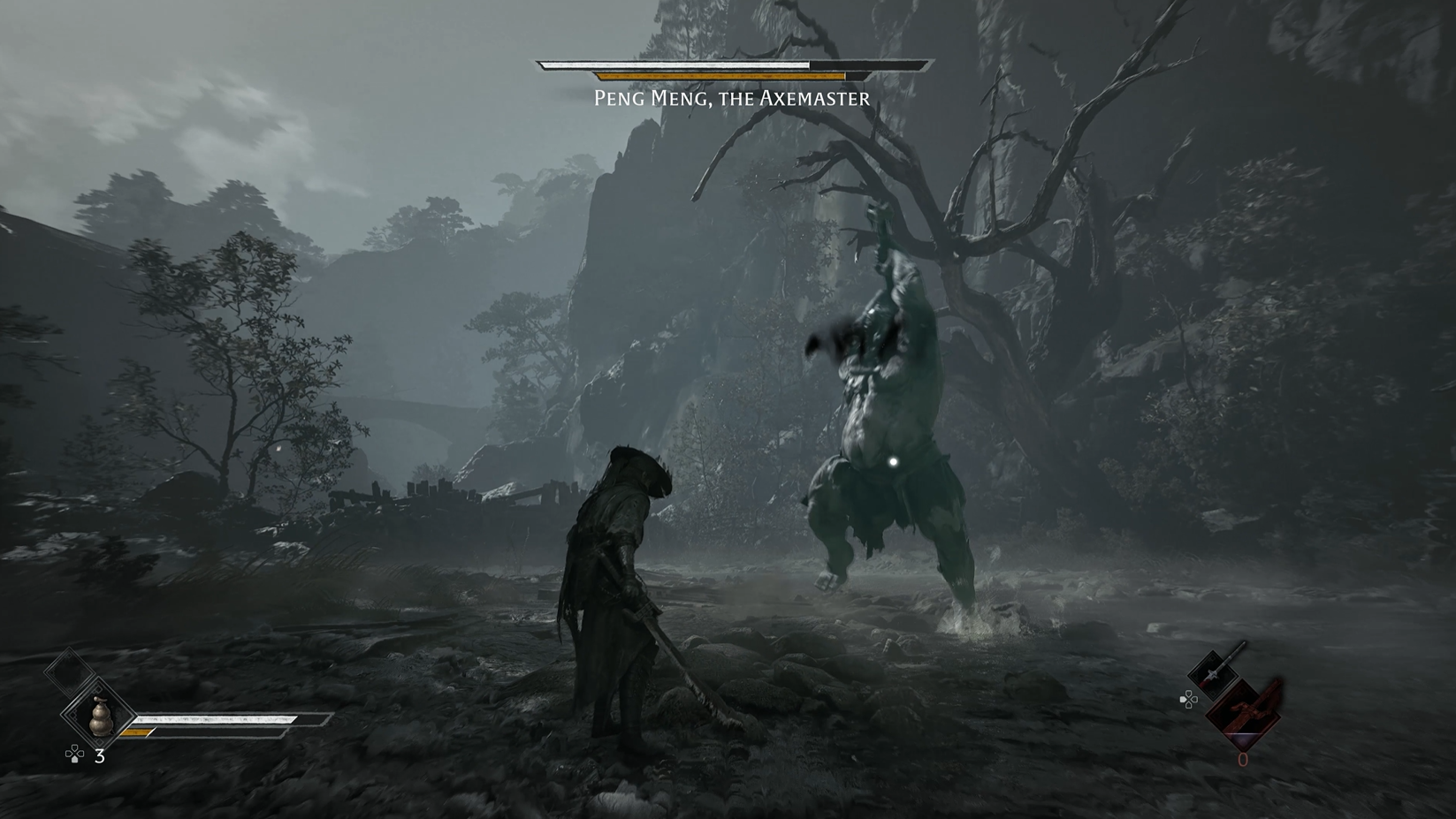
Dodge or parry? Soul has multiple options here.
Sha-Chi fully restores upon switching between primary weapons, no matter how low the meter gets, though switching has a cooldown. During boss encounters, this becomes paramount to victory, and there’s a thrilling rush to squeeze every Sha-Chi combo possible out of a weapon before switching to the other. The weapon animations are astonishingly detailed, and everything feels like it connects the way it should. Bosses feel like a frantic push-pull of attacking and defending at the same time, creating a uniquely ecstatic combat feel that truly captures wuxia at its purest and most exciting. Beyond the rush of combat, the boss designs are jaw-droppingly gorgeous and memorable, with phenomenal cinematics and animations. After clearing the first chapter, the preview flashed forward much deeper in the game to two separate boss fights. These encounters further illustrate how varied Phantom Blade Zero’s design is, rich with color and bombastic in presentation. The difficulty ramped up significantly, but even with my unfamiliarity with the new weapons, the combat foundation works so well that I cleared the first of the two.
The bosses of Phantom Blade Zero also made one thing clear: there is no one-size-fits-all approach. Their mechanics are varied, and during the preview, I found myself stepping outside my comfort zone regularly. One boss who wielded an axe had a significantly longer reach than the previous one, so I invested in a longer-range weapon and found victory came much more easily. Luckily, the game lets players reallocate their weapon upgrades at any time, and the RPG mechanics are deep and impactful, so this isn’t a strictly action-based experience like Sekiro. With one boss at the end of the first chapter, victory came much more easily after upgrading a weapon, which gave it a hefty boost in attack power and a special ability, suggesting players can level up if they’re having too much trouble.
Based on its first chapter and six hours, Phantom Blade Zero is a remarkably distinct experience, with adrenaline-laced, rapid, deep wuxia combat in a gorgeously crafted, dark, colorful world that feels rich with storytelling potential and drama. The game offers a wide variety of ways to approach combat, and its progression systems hold a lot of potential, leaving me excited to see how they’ll fare over the game’s full eight chapters. While there’s much more to learn about its plot, and I’m excited to see the full scope of the wulin in the full game, one thing is certain: Phantom Blade Zero’s wuxia combat is rock-solid and ready to make its mark when it releases for PC and PlayStation 5 on October 29, 2026.
Disclosure: This article is based on a build/copy of the game provided by the publisher, and some elements discussed here may differ from the game’s final release.




Recent Comments