Phantom Blade Zero Preview Q&A
In Los Angeles, California, S-Game held a preview event for Phantom Blade Zero. At the end of the event, game director Soulframe Liang (aka “S”) and S-Game’s Head of Publishing, Will Chen, answered some frequently asked questions about the game before taking a few audience questions. Phantom Blade Zero is set to release on PlayStation 5 and PC on October 29, 2026.
Moderator: Let’s get started. So, I have the first question here: Soul has only 66 days to live. Is that purely a narrative premise, or does the player actually feel that pressure through the game’s systems and pacing?
Soulframe Liang: Yeah, that’s very good, because 66 days is a very important setting in our backstory. But in the first run, in the first walkthrough, it only serves as a narrative element of backstory. But in the new game plus, it’ll unlock the 66 days mode, which you can go through. It has the same difficulty as the Hellwalker mode, but you only have 66 times to die. So how many times have you died already? You can count; maybe you have already used 20 of them. Yeah, so, that’s in New Game Plus, with all the equipment and level-ups. And because we don’t want people to feel too frustrated in the first run, we wish as many people as possible to finish the story and go through it and feel the hero and how the hero is thinking. But through the second run, it’s pure challenge and pure gameplay. Many of you may have seen a lot of weapons when you get to the Lion Dance fight. You have a huge arsenal, so take the 66 days mode to test each of them.
Will Chen: Basically, the 66 days is just a narrative part for the first run, but if you specifically selected the 66 days mode, then it will start the roguelike style of Phantom Blade Zero. So that mode has 66 limited lives and times you can die to experience the game.
Moderator: The combat looks almost like a martial arts film, but players still have a huge amount of control. How did you balance the cinematic choreography with responsiveness, player skill, and gameplay depth?
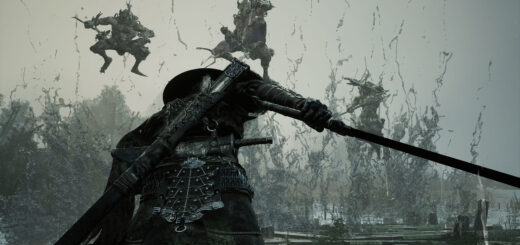
Soulframe Liang: That’s also a very good question. I think this question is asked by many of you guys. Because modern action games now rely less and less on QTE and some pure performance elements, but we don’t want to lose that part, so we kind of mix some cinematic performance in continuous, natural gameplay, the real gameplay, so you basically fight by yourself with the combos and different skills. But to adjust the pacing for some executions, and also — some of you guys may also notice at some points — it suddenly comes out to a gap, an opportunity for you to use the secondary weapon to do damage. All these will mix together to make a whole new experience looking like a kung fu movie. It looks like a playable kung fu movie, but most of the time, you’re actually controlling your character. We’ve made very careful balance adjustments to make everything post-cinematic, but also fluent and also fun to play.
Even the wagon fight in the opening is not a QTE, if you remember, the wagon fight is just in a very special camera angle. But in that camera angle, you actually fight with the same system that you fight with on the ground. So, I think there’s a very special flow, combination, and usage of very limited QTEs and combos at the same time to make the game rich, but also present authenticity of Chinese kung fu, which is very fluid and natural and smooth. When you have a long combo, and then suddenly there’s an opening for you to do a very short execution. The execution will take like one second, one to two seconds, so the way we’re using QTE is totally different from other games using QTEs, which is basically a long sequence where you’re not able to do anything else. But we’re using many of these very short and fragmental QTEs to let you take a breath, to adjust your pacing, to make the game even more interesting, and also, your play is more natural and less tired.
Will Chen: Eventually, you feel both the cinematic part of the combat, at the same time, you can totally control everything.
Moderator: Moving on, we also had quite a few of you ask questions about Donnie Yen. So, how did Donnie Yen’s involvement actually change the game, especially on the combat choreography portion?
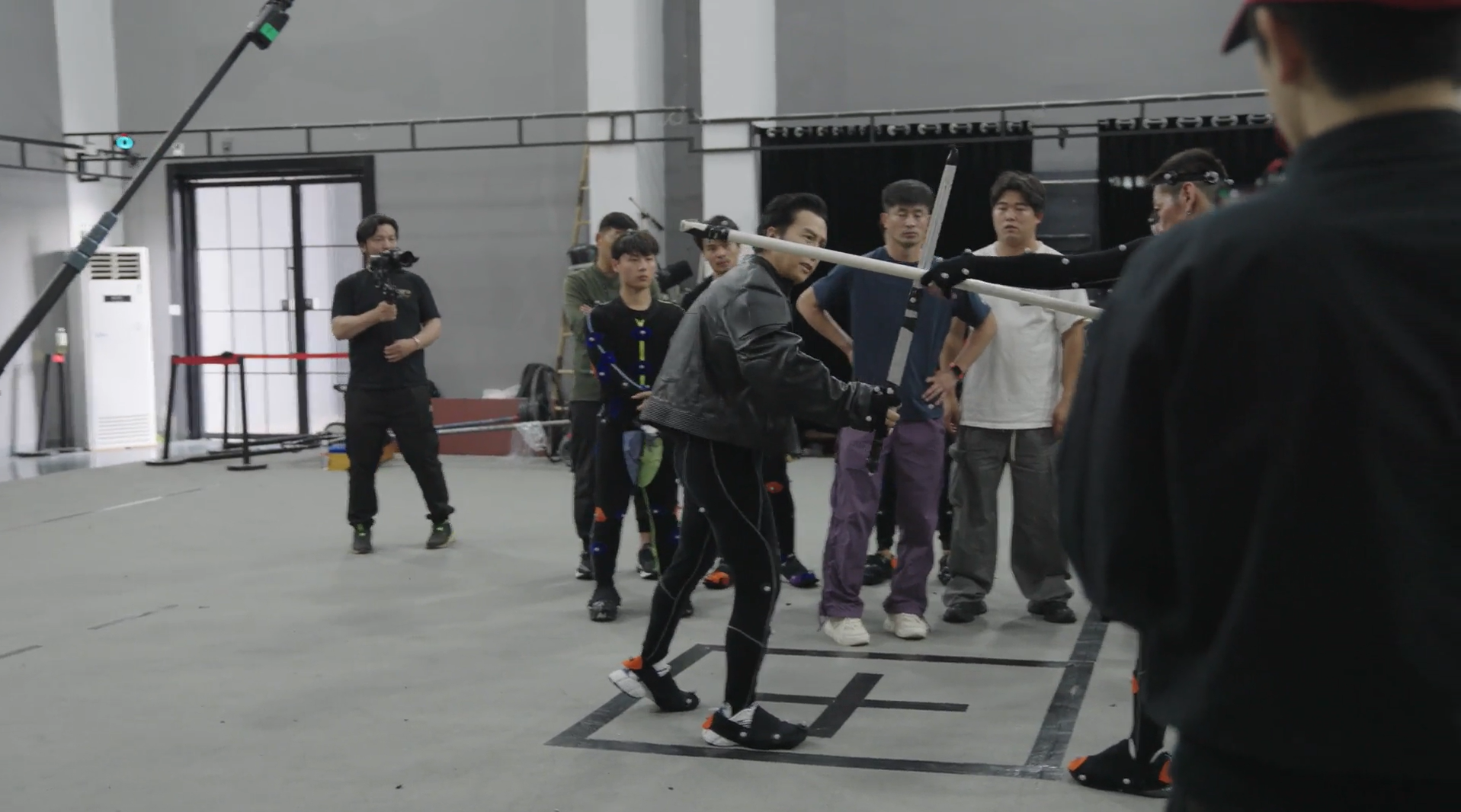
Soulframe Liang: It’s an honor to work with Donnie in this kind of project, and it’s our huge honor, because we basically grew up with his movies, and we want to showcase the special charm of Chinese kung fu and Chinese swordplay as much as possible. A grandmaster like Donnie on board is improving the game to another level, I believe. You can also feel it when you play the game. Basically, Donnie, these two years, is super busy with his own movie — John Wick, Caine, the movie — in which he not only plays a character but is also the director of the movie, so he was super busy. But besides that, he does anything he can to support us. Sometimes, he only has a weekend. That is supposed to be his rest time; he does that in Europe. So, he takes that weekend, flies back to China, helps us to do the motion capture on Friday night, and then flies back to Europe on Sunday afternoon. So that’s crazy. It’s really moving, and we really appreciate it.
And the result is we have pushed the kung fu to another level. We have actually twenty-something kung fu masters — real kung fu masters, very experienced stunt actors in kung fu — to do three full years of motion capture. And we have a studio that some of you may have already visited. We have a studio where the kung fu stunt actors do all this motion capture on the first floor, and the data will transfer to the second floor where our animators are located. Then, we can do the polish of the animation and transfer all the data to our dev team. So, that’s a very efficient and crazy way of working. In summary, each of Soul’s weapons will take a month to record all the motion capture. Many of them are advised and directed by Donnie Yen, and Donnie gave a lot of great ideas in choreography. He also taught us some aesthetics, and even philosophy of what kung fu is, and what swordplay is. He teaches us not only the, the look of the movement, but what underlies the movement. All these are very helpful to us to understand the moves, and also to evolve our game to a new level. So, I really appreciate it.
Will Chen: A little bit to add. So, Donnie has his fifteen stunt team members join us. We’ve been working for a few years already. We are very fortunate that we have our own mocap studio in Shanghai, and what we’re doing, the mocap — nonstop since 2023 — and everything you’ve seen in the game, all the movement, the combat, all the detail is mocapped. Everything is actually mocapped. Some people have summarized that it’s probably the most mocapped action game they’ve ever seen. So, we’re very honored that we have this —
Soulframe Liang: And all motion captured by experienced kung fu actors!
Will Chen: Yeah, for example, the Lion Dance. We worked with the most authentic one, who has more than ten generations passed down. Yes — like, the real master.
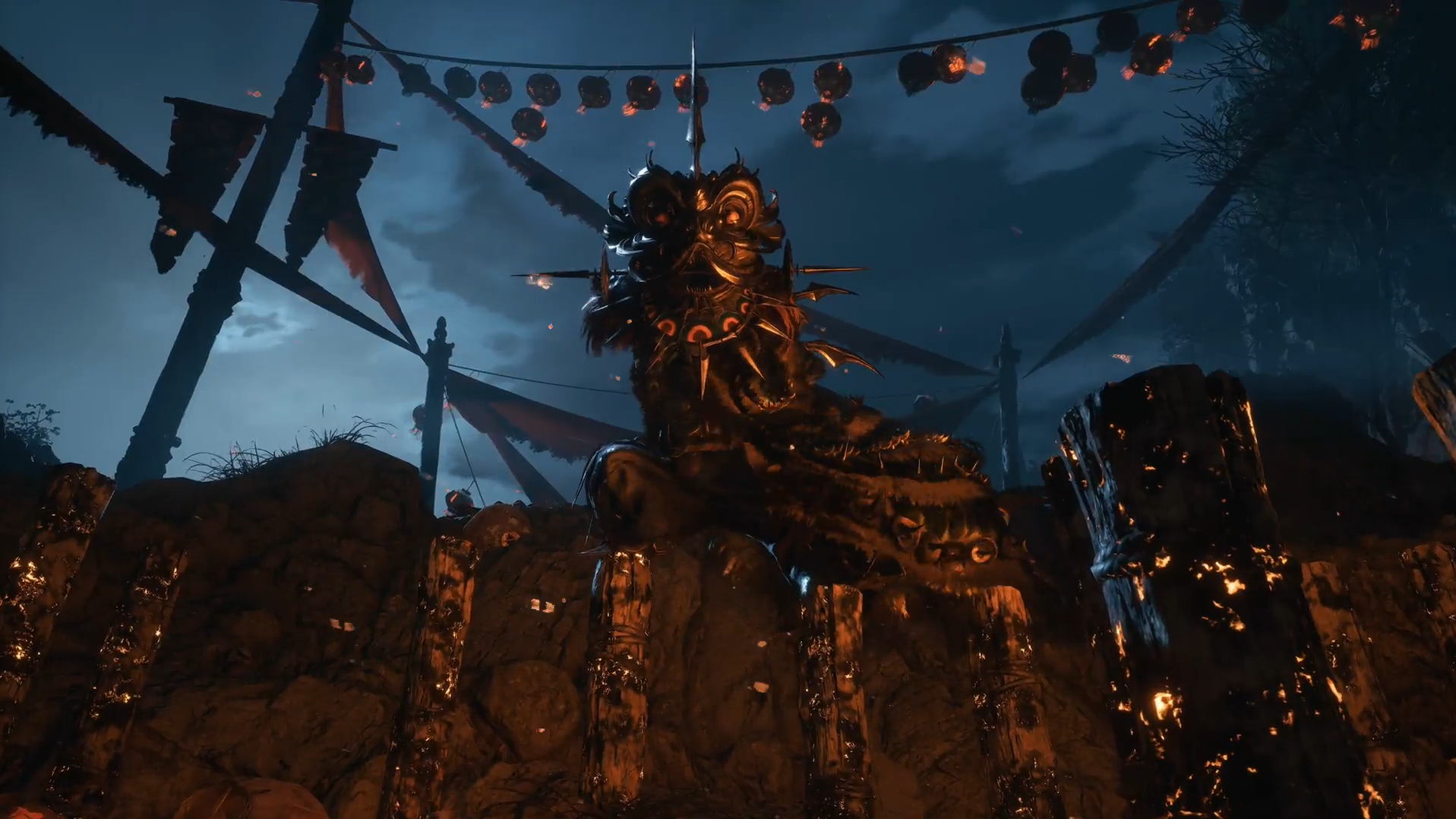
Soulframe Liang: The grandmaster is like 90 years old; he’s not the one performing! But his son is the CEO of his company, so they send their grandson to play the lion dancing. And everything is authentic, actually, if we do a formation of seven swordsman, it’s motion captured by seven people at the same time. If we are going to capture a female swordsman, it has to be female actresses to do that, because in detail, it will be different. Everything is kept very authentic and done in a real way.
Will Chen: So, back to the Donnie topic. In the industry, everyone knows that Donnie, like Jackie Chan, has created his own family. We call it a family stunt team, because it has students, they pass down their knowledge, and they’ve been working together for decades already. We’re fortunate to work with some of his best students and stunt team. Donnie is like the director and the supervisor of pretty much everything, and we work closely with his team in our mocap studio. We work together to design a lot of combat, weapons, and other parts. For example, in his role of Mó Yuan, Donnie also helped change the narrative on how to best represent the role of father and how he cared for the kid. I won’t spoil that, but we first had a small draft of that section, but Donnie edited not only the combat, but also the moving, touching part of being in the role of father. He is so excited for the project, so he pretty much wants to spend time on all aspects of the game as long as he has time.
Soulframe Liang: He also did all the voiceover for his own character. Yeah, so Donnie has done everything to help us.
Moderator: Phantom Blade Zero started as a much smaller project, but both the studio and the ambition of the game grew dramatically. What changed how the team expanded, and what became possible that would not have been possible without the original scale?
Soulframe Liang: The direction is set, no matter how many people we have, we would do the same thing, that’s for sure. In the very beginning, our direction is to make a game combining different genres together to make a fluent and smooth experience. And also, we want to make a playable kung fu movie — that’s the original idea — and also kung fu punk, the style. These are all from the very beginning, even when I was a student making my indie game. All those directions are pretty much set. But of course, after our first premiere to the world, we received a lot of buzz, discussions, and a lot of resources, including Donnie and other partners coming in, so we decided to expand the project. Of course, it’s more about quality. We evolve the quality of the game. If you compare our first trailer and our latest trailer, you will see a significant improvement in the graphics, audio, and everything, including the build you are playing now, it’s totally different. It has become a big production.
But the most important thing is we raise the density of the experience. We raise the quality of the game, but it’s not necessarily making it big. I don’t think making it big is a first priority, but making good is our first priority. With the extra resources, we make use of these to make the game as good as possible. We don’t expand the game. You guys can also see we have a very nice map, a very nice landscape somewhere between a huge open world. Normally, if you have a big game, you know, you want to make the game a huge open world, packed with tons of sidequests and stuff, right? Rather than make thousands of sidequests, we’d rather make several very deep sidequests: very dramatic ones. We don’t want to… this guy only has 66 days left. He doesn’t need to help the old nanny to find the lost cat or unclog the toilet, right? So all the sidequests are also about wuxia, about revenge, about some deep stuff, some creepy stuff in this world. So we raised the density of the experience rather than the quantity. That’s the way we’re making use of the resources. Hopefully it works.
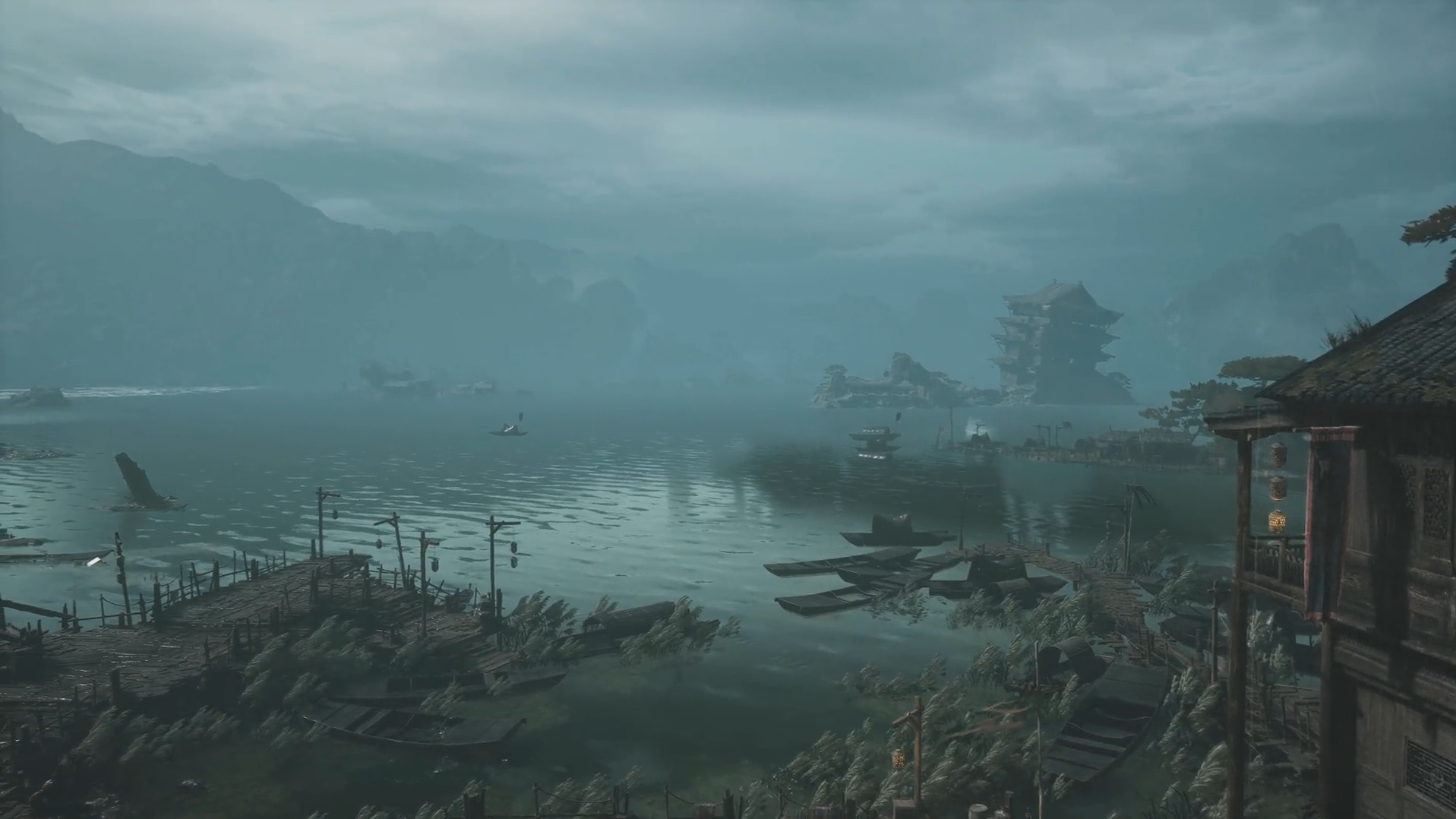
Will Chen: You probably have seen our standalone State of Play, yeah? The title is called, “Enter the Wulin.” So wulin is a term that we grew up with in China. It’s a Chinese wuxia fantasy. It’s like a stereotype of, like, a dark fantasy. We’ve all grown up with it, and everything is centered around creating this world, even small NPCs, the detail, architectures, the landscape, and how you understand the world. As mentioned, we spend all the resources to shape this world by telling the different stories. And back to the topic of how we expand. We started as an indie studio, S actually started as an indie developer. When he was in college, he was like a one-man army and created a game called Rainblood.
That’s the very foundation and blueprint of Phantom Blade Zero. And after creating two indie games, S started our studio, S-Game, and everything we do focused on our own original created franchise, Phantom Blade. So, we produced three mobile games, that was one of the most famous titles in China specializing in action mobile games. We won awards and reached top grossing revenue in the App Store — so that was a good experience for us — and we pivoted to a triple-A game four years ago. As S mentioned, we started as a twenty-person team focused purely on the combat: the pure, core gameplay. Everything we added on — like either Unreal Engine, or Nvidia, or Donnie’s team — everything has been built around the core gameplay. So, we just used some indie spirit with all those awesome resources to create this core game, so that’s our principle.
Soulframe Liang: So, our game is also an indie game! A big indie game!
Moderator: Phantom Blade Zero is deeply rooted in wuxia and Chinese culture, but it is also being made for a global audience. How did you preserve that cultural identity while making the world and its idea accessible to players who may know very little about wuxia?
Soulframe Liang: Yeah, first of all, I don’t think… have any of you had difficulty understanding the story? I think the story is quite straightforward; this doesn’t require any homework. You don’t need to read any classical novels or know any background of the culture, so I think it’s good. That’s our point. In the first place, we’re going to create a game — an entertainment product — a fun game to play, so that’s our first goal. With this approach, I think, naturally, you will get into the elements like the world, story, the movement, and kung fu spirit. And hopefully, some philosophy also. Like Bruce Lee said, “Water, what does it mean?”
Will Chen: “Be water, my friends.”
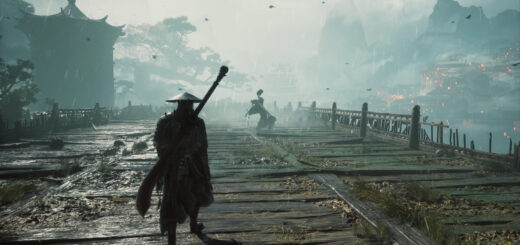
Soulframe Liang: Yeah, “be water, my friends.” And also, you see there’s a wood sword in your backpack and, ideally, you can use that wood sword to beat the game. That’s all philosophy in Chinese kung fu, but it’s not necessarily transferred, or presented… it’s just there. In the first place, the most important thing is still a fun game to play and a classic story — character building and such — all these are universal to any backgrounds. So this is our first goal. We don’t want to create any cultural obstacles, but if we talk about cultural elements, you’ll see our game is a combination of traditional Chinese elements with some creepy stuff, like the steampunk tower. We actually 3D-scanned that from an old, deserted steel factory in Beijing and combined that 3D scan with some historical buildings and added these red threads. So, everything happened naturally, we hope everything just happens in our world. The mask, the red thread from the bell – these are all gameplay elements, but in the artistic way.
Talking about the cultural elements, we don’t want to create some stereotype of Chinese culture or Asian culture, because we’re Chinese. We’re Chinese. So, we know what we’re doing. We know very well. In the other way around, we want to present something cool, something fresh, and something exciting. Maybe with some Chinese culture, maybe with some Chinese culture distorted in some certain way and combine in some other elements like cyberpunk and body modification, some creepy stuff. We don’t want to create anything stereotypical, because we’re not only Chinese, we’re new-generation Chinese. When you mentioned China like twenty years ago, you only recognized the historical buildings and many old stuff and long history stuff.
But today, when you talk about Chinese and, in general, the image of China, maybe half of it might become robots or AIs or it has been trained, something like that. So, actually, the overall image has been changed. We’re going to present that as a new generation of Chinese creators. It’s simply because, previously, we didn’t have that chance to do it in gaming. So now, we have that opportunity to create a global entertainment product. With that, naturally, there are some elements — maybe heavy, maybe hidden underneath — these all happen naturally, but it’s just a fun game to play.
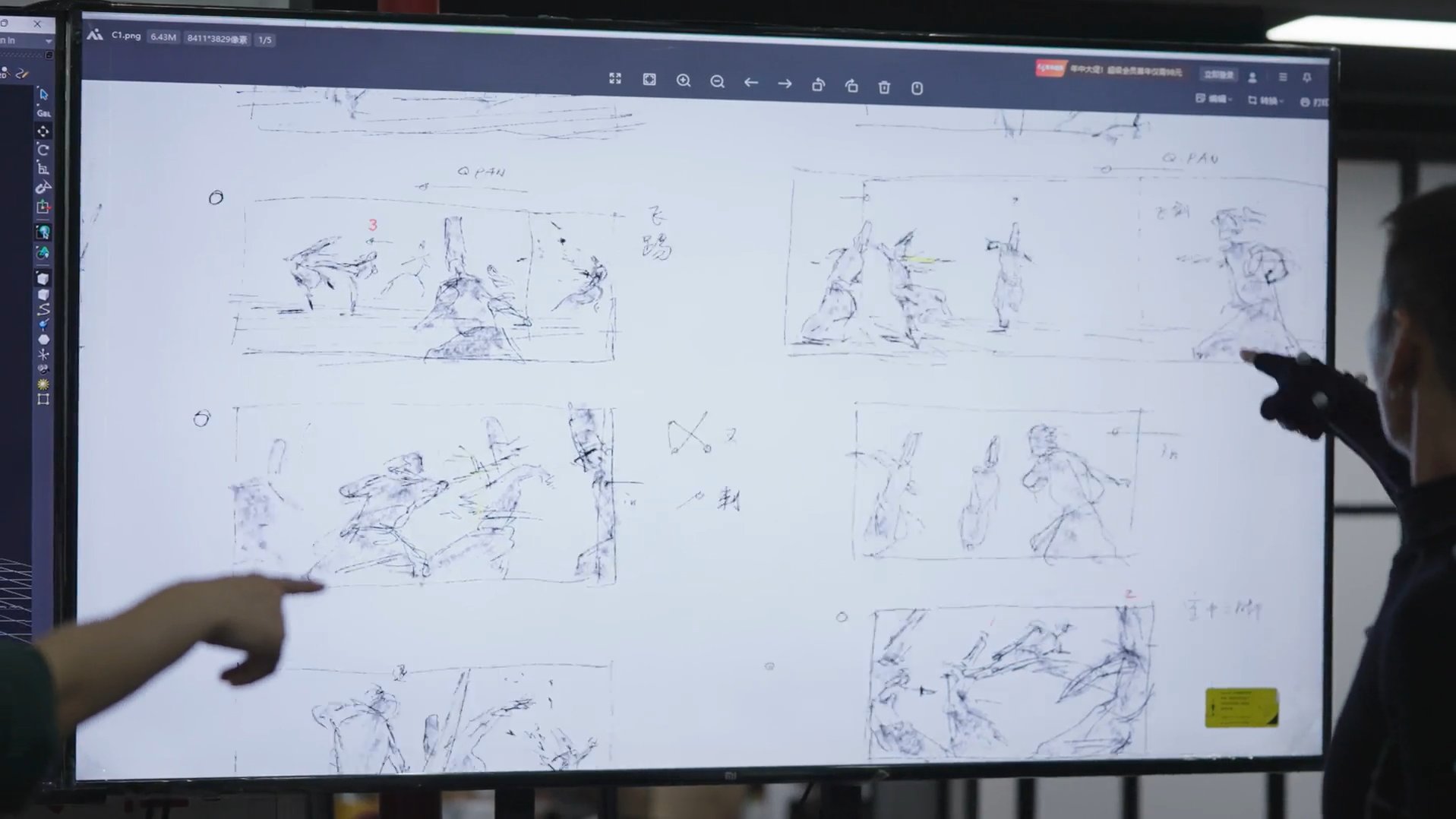
Will Chen: We just had some interesting conversation this afternoon. Someone noticed that all the combat, the defense and offense are at the same time, and they found themselves surprised a bit. But we all grew up with it, and this is part of kung fu and Chinese martial arts. So, we had this conversation and went through some of the Western combat. It’s actually one movement at one time. And so, it’s a huge difference. If you have ever seen the movie Crouching Tiger, Hidden Dragon, it seems like dancing all the time, but it’s actually the principle of Chinese martial arts.
For example, S visited China last year, spent a few days in a Shaolin temple, and learned a lesson. Offense and defense at the same time is the foundation, it’s called yin and yang. And it’s always considered when you attack, then you have to consider how to protect yourself. So whatever you face, with any weapons, it all comes from this principle. We’re not telling specifically that, “you see, this is the Chinese martial art,” but you will notice it, and you’ll find that this is very different.
Soulframe Liang: And also, another element is the music. If you feel the music, you feel some traditional elements, but you also feel rock and roll and pop music, right? Especially when you fight the, the Dancing Lion. The first phase, the drums are recorded from a very authentic lion dancing team. The masters are playing the drums and the instruments. But when it comes to the second phase, it becomes something crazy: rock and roll. And so, this is also a cool thing. We just create a new, immersive experience, and you can feel it.
Will Chen: Basically, you can experience two different styles of our game. The first is the traditional, more authentic one. For example, as mentioned, the lion dance team has their own drum team, and they come to our studio and record all their drum music for us. So, the second phase turns into the kung fu punk style, our own martial art style, and the most pop culture style within it.
Moderator: I have one last question here from the frequently asked list. After all the trailers, demos, and previews, what is one thing about Phantom Blade Zero that you think people still don’t fully understand, and will only understand when they play or finish the game?
Soulframe Liang: With all the trailers and demos we released previously, I think one very important thing people don’t understand is other aspects besides combat are also worth experiencing — we pay similar attention; we put our heart into the game. As you know, other elements besides combat are also creative. We also want to create something new, something in a new combination. You can see this is three-dimensional, intricate level design, but with clear navigation and also with sidequests, but not that kind of sidequest: deep sidequests. There are many things, including the story, and all these are not understood enough with our trailers, because trailers… normally people will be excited for the combat. Of course, combat is still a pillar, but other supporting systems are as good as the combat, I would say.
It’s like a pyramid. In the bottom, it’s the sidequests, map, navigation; in the middle, it’s level design; at the top, it’s the combat. So, people may only see the iceberg on the top, but underneath the water, there are a lot of systems and navigations, and also, many designs underneath. Like the navigation, UI systems, and also, so-called modern guidance systems to let people get access to the game. All these kinds of systems are carefully designed with the aspect of art. Like the red thread from the bell, it will guide you to the closest bell. Like the big map — it’s a Chinese ink-wash map — but it’s not so precise. It still leaves you with a certain room to explore, but it will give you a rough sense of direction.
So many of these are considerations of how we can help people get access to the game without ruining your immersive experience. All these are very tough and very difficult and struggling to develop, and we’ve been through a tough time working on it, but hopefully it works. I don’t see anyone having troubles in fighting path or understanding the stories; I think that’s also good for us. I think all these parts are not fully presented yet in our trailers and demo, but in the full game, people will understand that.
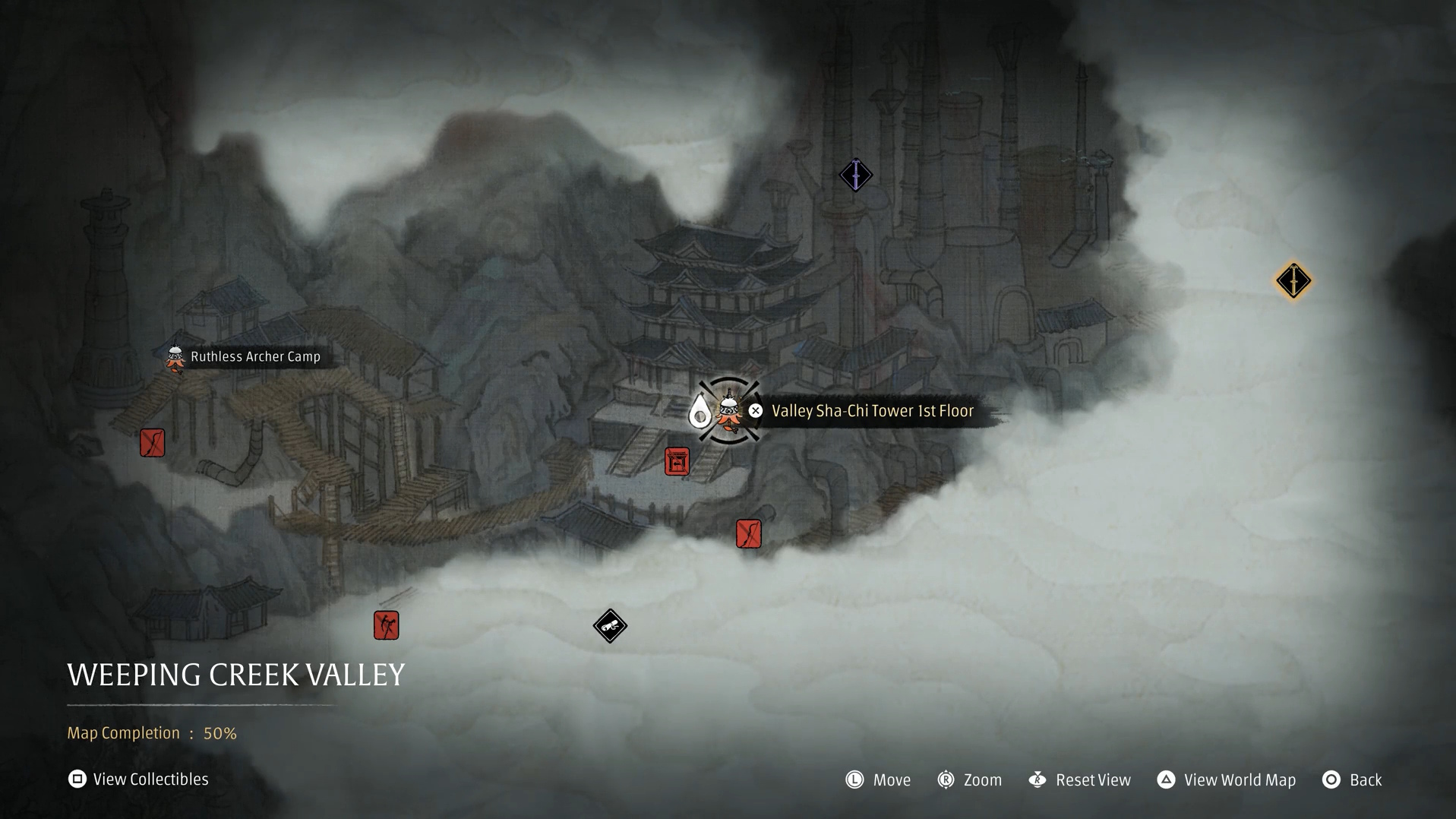
Will Chen: The map and navigation are representative of our way of thinking and designing the game: to give you enough guidance, but not enough to let you fully rely on all the navigations. One thing to add on is that we pretty much have three pillars of our game: the combat, the narrative, and the level design or the world design. As is the order of pretty much everything in our story, as I mentioned, it started like, fifteen years ago, and we keep developing this world to become a small universe by creating five games: two indie games, and the three mobile games. So, the universe is quite large and carefully crafted. Phantom Blade Zero picks out all the best elements in the story, but the core part is from Rainblood. So, the story is actually amazing; it’s been tested by the mobile games and indie games.
Soulframe Liang: Yeah, so I think it’s a confliction, actually, because we were into mobile games in the first 10 years of our career. So, we know what an accessible game looks like. This modern, accessible game willing to guide everyone and not confuse people. But actually, after all, we are also hardcore gamers. As I said before, in our previous preview in an interview, we want to keep the essence and find back some feeling of PlayStation 1 and PlayStation 2. My favorite game is Vagrant Story from PlayStation 1. Here comes a confliction between the hardcore gamer experience and the modern, accessible experience.
I think in Phantom Blade Zero, what we’re doing is we’re trying to bring some of the accessible design and the modern design language, and then use art, use some certain design to change that to an immersive experience… to still keep the real gameplay in it. Not like a checklist of sidequests or very clear guidance of maps, or something like that. But I totally understand why gaming industry is coming to this point, but we still want to keep a little bit of the authenticity of the… bring something from the Golden Age. We’re trying to combine this to create a special experience, so hopefully this works out.
Will Chen: Yeah, the third one is the level design or the world design. S has an architecture background of eight years. He spent five years in Shanghai and three years in Yale, but he worked zero days for any architecture company and came directly to create S-Game. And so, he got asked a lot how he fully utilized his knowledge of architecture. The level design and world design are part of it. We actually cut some of it off, to make the experience intense. We don’t have or use a traditional map designer. All of our level designers actually have an architecture background. So, it gives you the accuracy, the best guidance, and they understand the basic structure of it so that they can create complex interactions with the world.
Moderator: That sums up our frequently asked questions. And now, I’m going to open up the floor to any of you guys out there with your own questions.
Audience: A couple of years after it was announced, I remember a new trailer came out to add the Zero at the end. Why is it called Phantom Blade Zero?
Soulframe Liang: It means we restart everything from the ground up. Because we’ve had 10 years of experience in mobile games in China but now naming it Zero means we restart everything from zero. Although we have so much previously, we decided to give up everything we had before and restart.
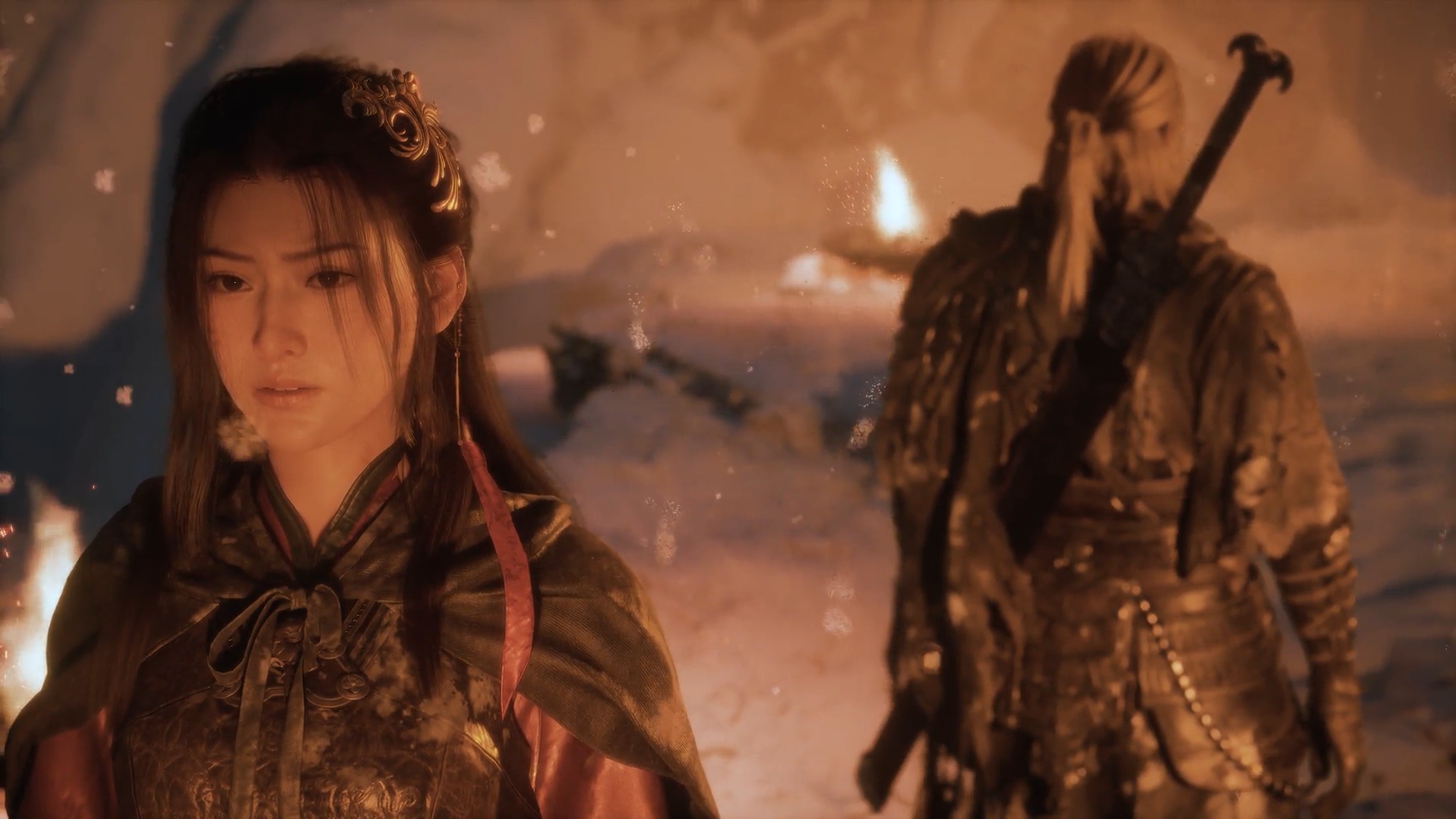
Audience: So, one of the things with American action is we typically don’t get to see a lot of women in action. But Hong Kong and Chinese martial arts cinema is very different. Whether it’s Cheng Pei-pei or Michelle Yeoh, getting to see different types of women, even in the small section we got here, was really, really exciting. So you mentioned Donnie Yen; you mentioned other masters that you all have used as kind of a base for martial arts. Did you look to any for the female characters or female bosses? Any of those historical women from Hong Kong action cinema as well?
Soulframe Liang: Well, actually, they have also female stunt actresses in their team. So, as I mentioned, all the female characters will be motion captured by female actresses. I think that’s a way to keep that authenticity in here. We have a lot of very charming and great female characters, like the snake lady in the second boss fight. And also, you have another partner who plays the instrument helping you. So all these are very iconic scenes in our game. So yeah, so it’s great. Donnie also has female actresses in his team.
Will Chen: I think it’s a good question. In Chinese martial arts and some philosophy, it’s not about masculine power. I think that’s a little bit different.
Soulframe Liang: Swift, agile.
Will Chen: Yes, exactly. I think that’s a little bit different from Western martial arts that are based on a lot of power.
Soulframe Liang: It’s not like, uh… muscles. Or that type of thing.
Will Chen: For example, one weapon from our previous trailer, the soft sword. It has a very specific function of defeating the boss by taking a lot of their breaking power. So that’s very powerful. A lot of times, when the boss has a really aggressive attack, it can easily take over it by giving a lot of breaking power. So even the movement is like a female actor to give the feeling of the snake. The character of that sword. Some weapons do give Soul a feminine way of using the power.
Soulframe Liang: And something more interesting is some certain weapons, when it’s used by the boss, it’s a female boss, right? The female boss will have one set of movement. And when it’s acquired by Soul, we have to let the male character do it for Soul, for another one. There are many weapons held by female bosses. Actually, we do the same thing, the same swordplay by both the female and male stunt actors. Because the male version is for Soul, and the female version is for the boss. So yeah, we try to keep all these subtle differences, and the coolness and freshness there.
Audience: There are a lot of gamers who look at this game saying, “Hey, it’s just another punch button like Ninja Gaiden, Bayonetta, Stellar Blade, games of that nature. However, after playing the game myself, just hitting the attack button is going to get you nowhere. Sure, with cannon fodder characters, but when you’re fighting characters that have a shield, or they disappear and you have to track them, that is simply not the case. When you made this game, was part of the philosophy looking at these games and going, “I don’t want my game to be like that. I want my game to stand out and show gamers you can make this kind of game, do something completely different, and still have fun.”
Soulframe Liang: Yeah, but first of all, I’m a big fan of all the games you mentioned. So we’ve been inspired by other studios, other great works, of course. But the most important thing is the source. The fundamental source of the inspiration is the Chinese kung fu and all these kung fu movies. Which, we don’t have many games that have presented the essence of those topics. It’s like we have a gold mountain, but we haven’t dug into the gold mountain enough yet. Nowadays, before we release, in this point, I think the best game for kung fu is actually Sifu, made by a French studio. It’s somehow not a Chinese studio. We kind of feel ashamed from there. So, we want to make our own interpretations and representations of that culture.
We basically build everything from the ground up, because we have to study both. We have to study the kung fu, the elements, and then we have to study action games. Action games like Japanese action games, Western action games, and we have to know well about the systems and to know how people understand the input and the output and everything. What’s the strategy? We have to look into the pure mechanics of the gameplay, and then we have to study the kung fu actions, and to study how to break it down. Because all the swordplay are continuous sequences of gameplay, like one minute of gameplay. How do we break it up? How do we break it up to four combos for skills that can connect to each other, make a combo, and fit it into the mechanics people are already used to? Because we don’t want to violate people’s experience cultivated by other games. So, it’s a hard task. But we’ve done this combination already. Hopefully, it doesn’t confuse you. I think you can also use experience from other games to play it, but you can see it’s authentic kung fu movement.
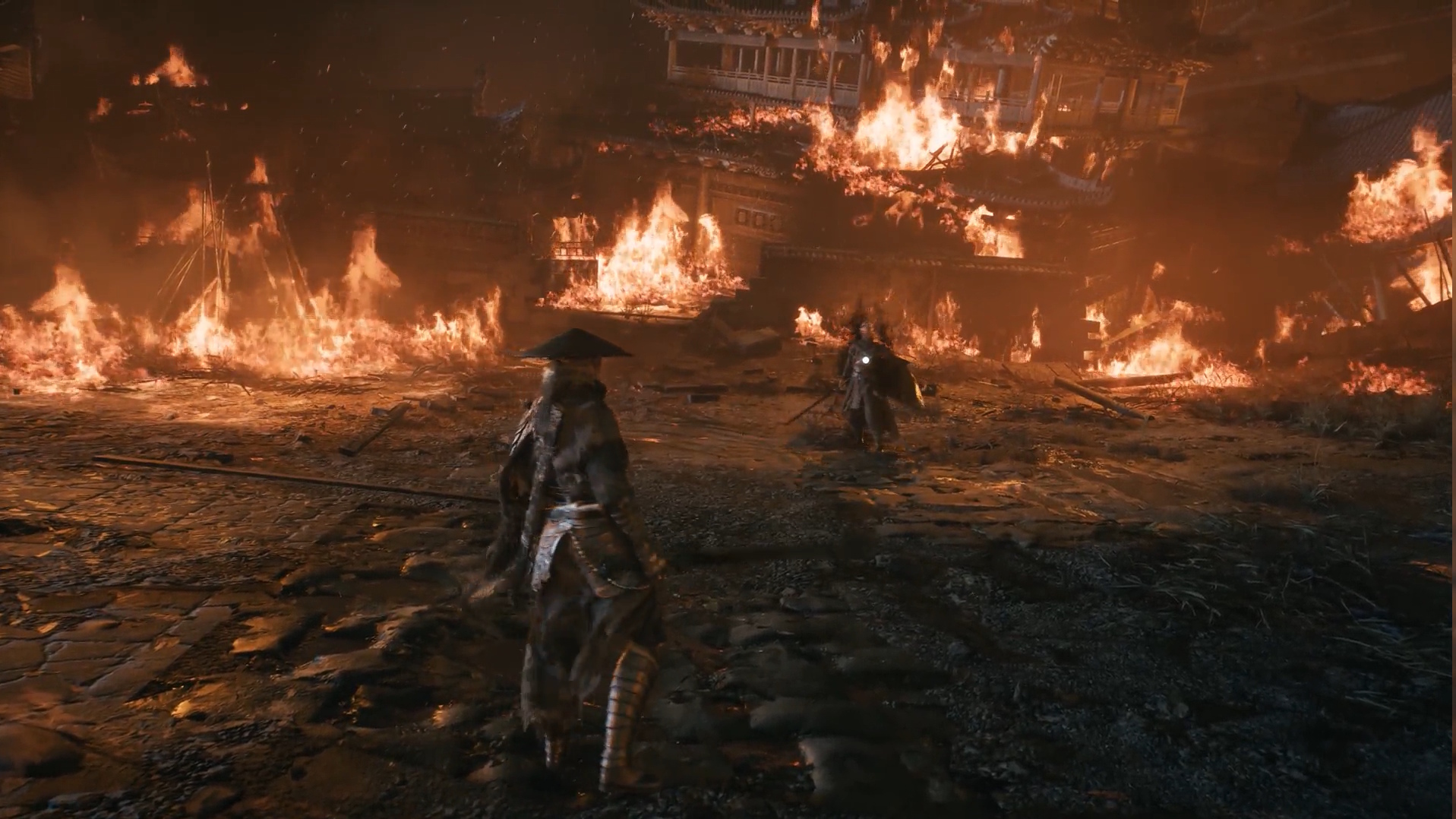
Audience: One of the challenges, I think, with using Unreal Engine has been optimization. I think a lot of games have been released and have had backlash for how poorly they perform. I noticed that this game performs extremely well. How did you guys get it to work? Because it seems less like an engine issue and more like a developer issue. What were the challenges, how’d you overcome them, and how did you make the game perform so well?
Soulframe Liang: Yeah. I think this is a very important thing, especially for us, because we’re facing a lot of players and we are releasing on PC. We’ve seen a lot of lessons by our peer studios having troubles in optimizations and performance and such, so we put the performance as our first priority in our technical development. One way to work it out is we had a very early playable demo. And all the playable demo is played on basic PlayStation 5 and medium-performance PC beginning from 2024. Because when your content is relatively small, it’s easy to control the optimization.
Every demo, every offline demo is like a test. We actually need the game to play on basic PC at 60 fps. And then based on the fundamental requirement of optimization, we build out the content based on the baseline, the benchmark of performance. It’s very important, especially with Unreal Engine 5. We have tons of 3D-scanned assets, and we have tons of motion captured animations. All these will add burden to the optimization, so the key is to keep that requirement when the game is relatively small. And then, based on that, develop the content.
Will Chen: S is a good friend of Guillaume, the director of Expedition 33. They met last year during The Game Awards, and one advice they gave us is finish the game as soon as possible and use rest of all your time to do the optimization.
Soulframe Liang: Yeah, that’s a lesson I learned from them. Finish the game as soon as possible and cut and use all the other time to do optimization, performance, and cut unnecessary content.
Audience: When Soul moves from the first chapter to the second chapter, I notice at least here that you can’t go back. In the full game, will you be able to go back to previous locations?
Soulframe Liang: Yeah, you can go back. You can use the bell to transfer back at any time. You just don’t walk back. But you can transfer back.
Will Chen: Actually, that’s part of our game or exploration. You can acquire some new weapons and use it to break some blocks. You can travel around to get some hidden bosses.
Soulframe Liang: Yeah, you must go back. You must go back, because I guess many of you are beating the boss, but if you open up the map, you will see the completion of the map is around like sixty percent. It’s like fifty to sixty percent. About half of the map is undiscovered, right? Haven’t been explored enough, even when you beat the boss. We also make use of some of the Metroidvania mechanics when you find new weapons, when you find new secondary weapons, it can be also used as a key to go back to some previous locks to open up the new path. Probably one last question.
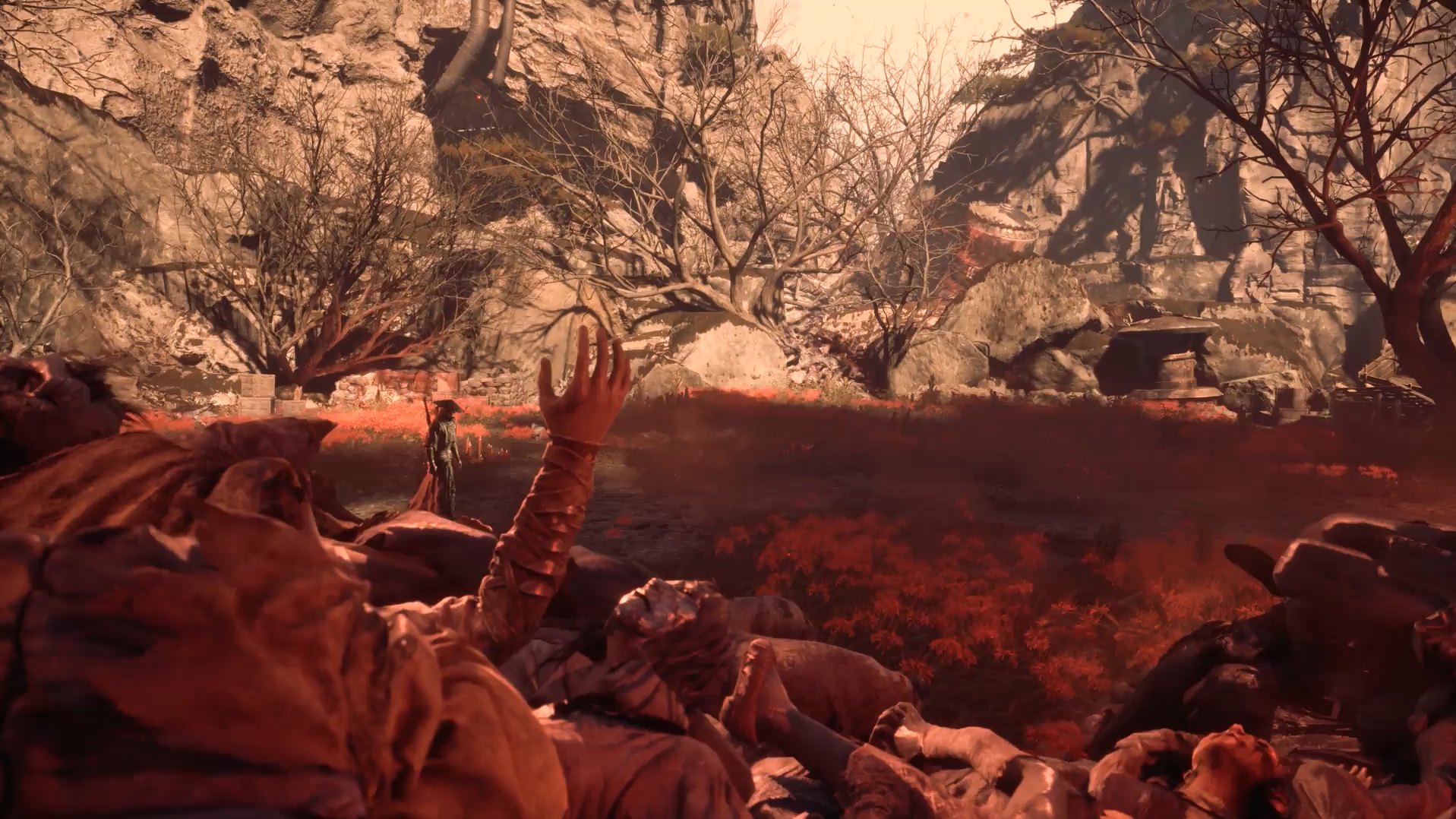
Audience: Sorry to bring this back to talking about wuxia in general, but wuxia has multiple principles, and most of the time… were there any time restrictions because Soul only has 66 days to actually enact all of the wuxia principles in his character growth, as well as through different bosses? Or are you all focusing on specific ones for this game compared to what you would do in the future?
Soulframe Liang: That’s a great question. It’s also a perfect question to wrap up. I think the wuxia spirit is very important culture. It’s kind of different. Someone may parallel that to samurai in Japan or knights in the West, or something like that. Every culture has its own version of hero, right? So, this wuxia is our Chinese hero. But it has some slight differences, because the meaning of wuxia is actually someone with martial arts and he does things right. And also, wuxia is someone who comes from normal people. If you watch our last pre-order trailer, you will see a line saying, “Okay, only you care about the ordinary people.” Because wuxia is the one from normal people. Like, we’re all normal people, and someday we have some opportunity to learn some martial arts and to become a martial art master, and then you become a xiake. So, you can use your force to help others, so it’s a normal people hero who makes very difficult choices. Which is different from knights because a knight is from a noble family, so you will fight for your house, right? And also, the same thing for samurai in Japan. The samurai stands for… you have to serve some general.
But in wuxia, it’s normal people helping normal people. Somehow, in these circumstances, the big ones and villains would normally be someone to create an order, to create a rule to harvest normal people. I don’t want to spoil much in our game, but this is a spirit. So, you as normal person, you get to help other normal people. Although, you only have 66 days left, so you are obviously facing a choice. You are going to save yourself, but more importantly, in the way of saving yourself, you may find other plots and other stories. You will make a hard decision on whether to save yourself or someone else. That’s the story. And I cannot say more – that will spoil the story. But I think that’s the spirit of our culture.
Will Chen: Everyone can be a hero, and it carries some moral standard that promotes people to be good. That’s part of xia.
RPGamer extends our deepest thanks to Soulframe Liang and Will Chen for taking the time to answer our questions and those of other audience members. We also thank the entire S-Game staff, including Chloe Feng and Yingying Yuan, for inviting us and coordinating the preview. Phantom Blade Zero will release for PlayStation 5 and PC on October 29, 2026.





Recent Comments