
| « Back to Intro |
Best Turn-Based RPG |
Best Action RPG » |

First Place

Second Place

Third Place

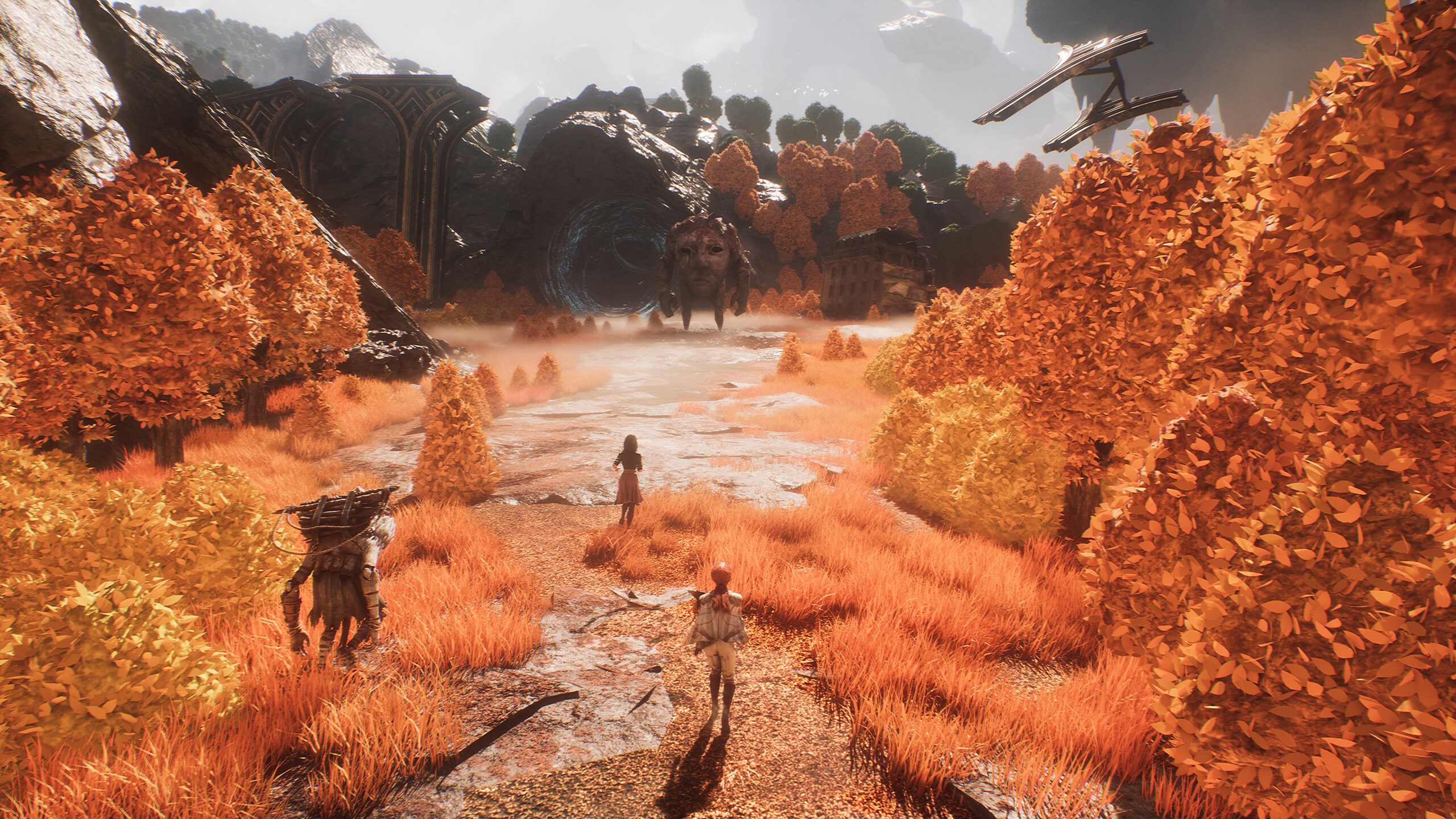
While it may take a lot of cues from games that came before it, Clair Obscur: Expedition 33‘s approach to turn-based combat is deserving of great credit for how it incorporates its influences to create a thoroughly engaging battle system. The cues it takes from the Mario & Luigi games and the implementation of a parry system reminiscent of Sekiro make the player far more active during the enemy’s turn, rewarding both skill and knowledge and bringing a sense of real-time action to the game’s combat.
It taking inspiration from other titles in no way diminishes how well implemented and thought out the turn-based core of the game is. Many builds rely on damage-over-time effects, and multiple party members have abilities that interact with the turn order in some way, with Sciel even having an ability that greatly resembles a “charge” effect from Shin Megami Tensei. Furthermore, the combat UI takes after many of the recent successes in the the turn-based field, such as Persona 5, in the correct ways, making navigating the combat menus quick, snappy, and satisfying. Adding that to an emotionally-charged story and beautiful presentation ensure that all of its elements combine into making Clair Obscur: Expedition 33 an impressively deep turn-based RPG.


A highlight of a good turn-based system is how enjoyable it makes combat. True, Trails in the Sky 1st Chapter has action elements, but these are definitely the side-dish to the classic turn-based combat that is the main course of its snappy battle system. Every fight just feels interesting, and this hybrid system, added dialogue, voice acting, and revamped visuals take this classic title and give it new life. At its core, Trails in the Sky 1st Chapter takes what makes turn-based combat so simply enjoyable and tweaks it just enough that it becomes exciting and modern for a new generation of turn-based fans to sink their teeth into. When adding in Nihon Falcom’s tried-and-true worldbuilding and lively character development, the wonderful music, and countless additional flourishes, and it’s easy to see why this remake stands out as an easy choice for one of the genre’s best this year.
As the final game in the trilogy, Fuga: Melodies of Steel 3 had a fair bit to live up to, and it meets those expectations with flying colors. An already strong battle system has been further refined, adding the new Weakness Combo and Assist Attack system to aid combat and deepen the strategy. Meanwhile, the story is appropriately grand in scope for a finale, with both playable characters and NPCs being well developed and character arcs becoming fully realized. There are few other games quite like Fuga 3, with only the preceding two games really being similar. It all makes for a satisfying conclusion that leaves things open for potential future games in the Little Tail Bronx universe. Those who have played the prior two games owe it to themselves to complete the trilogy.
by Ezra Kinnell, Ryan Costa, and Cassandra Ramos



Recent Comments